











Hot Articles
-
The Hydraulic Press Tooling Repair Process
Hydraulic presses are versatile tools used for metal shaping and deforming. Because they generate full pressure throughout their stroke, they’……
-
Benefits of Hydraulic Press Repair
Hydraulic presses are widely used across a range of industries to form metal components and other products. Unfortunately, faulty hydraulic presse……
-
What Are the Hydraulic Press Automation System Repair Costs?
If you are in the market for retrofitting an existing hydraulic press or need to rebuild it, it is essential to understand what repair costs will be……
-
Safety Procedures for Hydraulic Press Automation Systems
Hydraulic presses are incredibly versatile machines, capable of cutting, punching, drilling, piercing, forming and compressing large pieces of met……
-
Can a Nokia 3310 Break a Hydraulic Press?
Popularity of phones often depends on how well they pass or fail the “bend test.” The Nokia 3310 stands out as being one of the most rob……
-
Environmental Impacts of Hydraulic Press Machines
Hydraulic press machines are employed in a number of industries for various tasks. Farmers often rely on them to repair damaged parts by separatin……
-
Disadvantages of Hydraulic Press Tooling
Hydraulic presses are powerful machines that use pressure to compress and shape objects. They have many metalworking applications, such as forming……
-
How to Maintain Hydraulic Press Tooling
Hydraulic presses are powerful tools that compress material and shape it into the desired form. They have many uses, from forging metal swords to ……
How to Improve Hydraulic Press Efficiency
time:2023-03-07 views:(点击 1,066 次)
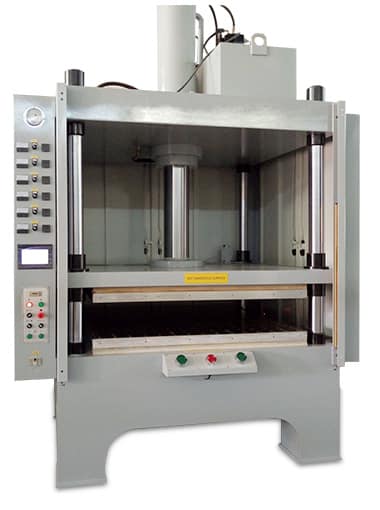
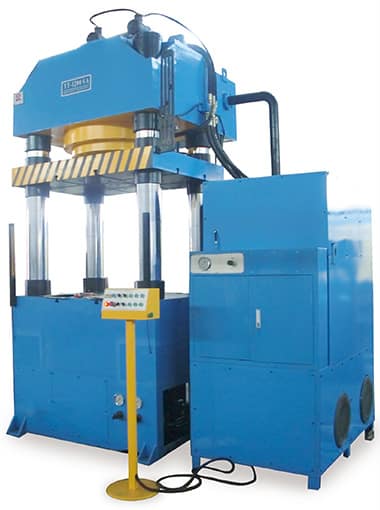
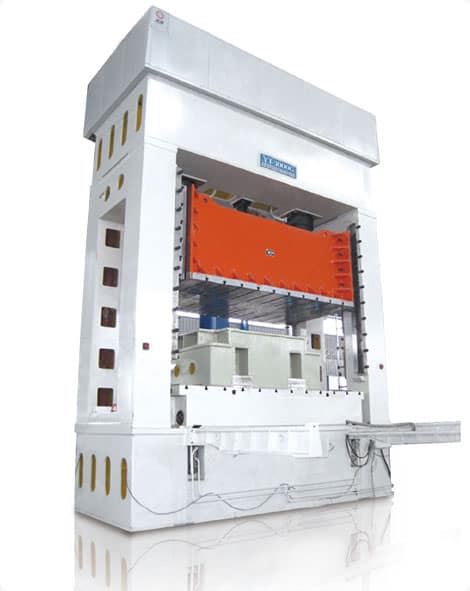
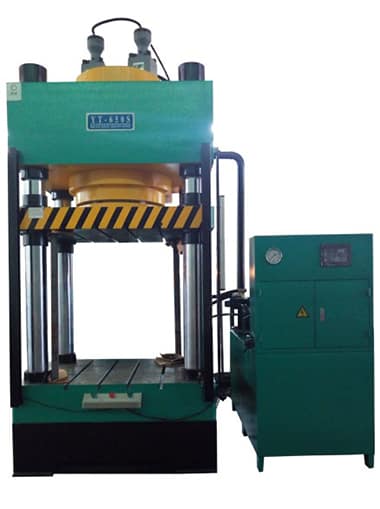
A hydraulic press is a machine that uses pressurized liquid to compress materials together. It consists of three components: a pump, two endplates and an piston or ram.
Hydraulic presses are widely used in a variety of industries and applications due to their versatility, precision, and dependability.
1. Use the Right Material
When optimizing the efficiency of your hydraulic press, material choice is paramount. Whether creating parts, components or assemblies, selecting the ideal material will have an impact on how smoothly the machine runs.
When manufacturing on a hydraulic press, there are various materials you can choose from such as aluminum alloys, stainless steel and carbon steel. When selecting your machine make sure it can handle these metals and work at temperatures necessary for successful machining.
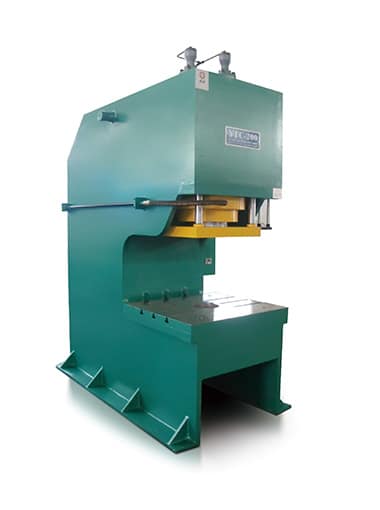
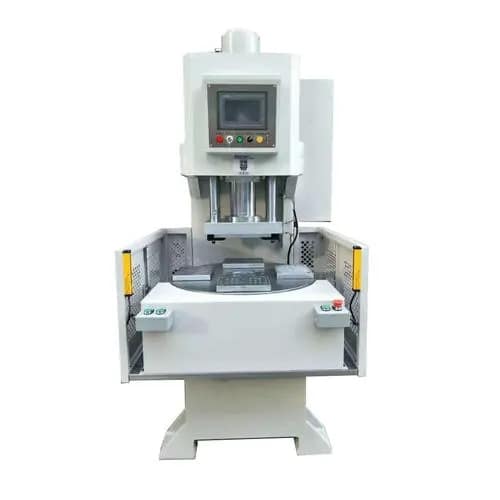
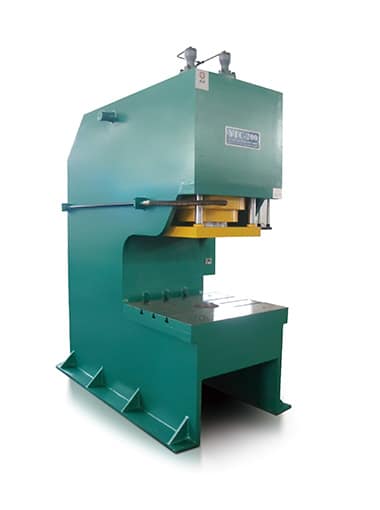
Hydraulic presses are commonly designed to produce parts quickly and precisely with minimal deflection. C-frame presses, in particular, take up less floor space than other metalworking machinery does.
2. Keep the Hydraulic System Clean
Enhancing hydraulic press efficiency requires keeping your system clean. Doing this will guarantee optimal performance from your machine, saving you money and increasing productivity at the same time.
It's essential to remember that a clean hydraulic system is much more reliable than one with contaminants. Parts that have contaminants will work harder and use more energy than necessary in order to get their job done.
In addition to decreasing efficiency, this can cause increased maintenance costs and downtime - both of which are expensive in the long run. By keeping your hydraulic system clean, you'll help avoid these problems and save yourself time, money, and headaches in the future.
3. Maintain the Tooling
One of the primary causes of hydraulic press failure is inadequate maintenance. This includes everything from not keeping tooling clean to using inappropriate oil type.
Maintaining the correct pressure in your machine is essential for optimal productivity and profitability. Low pressure can cause extended cycle times and part inaccuracies that could negatively affect both.
To avoid this, regularly inspect the hoses, pump and fittings around your tooling area for any tiny leaks. Once you detect them, tighten them up and fill your press with high quality oil.
When it comes to maintaining your tooling, don't hesitate to reach out for assistance. A qualified technician can quickly detect any problems and resolve them for you; this ensures your machine runs safely and efficiently for years into the future, saving both money and time in the process.
4. Make Sure the Hydraulic Pump is Working
Hydraulic pumps are essential components of a hydraulic press system. Not only do they supply hydraulic fluid to the machine, but they also communicate with other elements to guarantee everything functions optimally.
Pumps come in various varieties: single screw, twin screw or triple screw. Each type is engineered with tight tolerances to ensure long life and optimal performance.
To guarantee the hydraulic pump is functioning optimally, inspect it for leaks. If any exist, fix them promptly to avoid further harm from occurring.
Maintaining your pump can help you save on maintenance expenses and boost productivity. A malfunctioning pump could cause the system to run slowly or stop altogether, so it's essential that all parts of the hydraulic pump system remain up to date. Furthermore, inspect any electronics within the system - coils and relays included - for proper functioning.
Link to this article: https://www.ihydraulicpress.com/ht/1305.html
Hot Articles
-
How to Choose the Right Hydraulic Press for Your Needs
When looking for a press, whether it be one for your business or just personal use, it’s essential that you select one that meets your requi……
-
Hydraulic Press Tooling Repair Services
Hydraulic presses are a staple of industrial equipment for many companies. But these powerful machines need regular repair and upkeep in order to re……
-
Applications of Hydraulic Presses
Hydraulic presses are widely used in a range of industries. They’re especially great for assembling refrigerator parts, creating panels for ……
-
Can Diamond Be Broken by Hydraulic Press Under Extreme Pressure?
Diamonds are well-known as one of the hardest materials found naturally. But this doesn’t make them indestructible – one bad blow at an ……
-
How to Choose a Hydraulic Press Automation System Repair Company
If you own or operate a hydraulic press, you may be uncertain how to select the best repair service company. Doing so can help save you money on c……
-
Disadvantages of Hydraulic Press Tooling
Hydraulic presses are powerful machines that use pressure to compress and shape objects. They have many metalworking applications, such as forming……
-
Safety Procedures For Using a Hydraulic Press
When working with hydraulic presses, there are some essential safety protocols that all employees should abide by. These include knowing the machi……
-
How to Make a Tortilla With a Tortilla Press
There are various kinds of tortilla presses on the market. While some are made of wood, others feature cast iron or carbon steel construction for in……
Latest News
-
When to Rebuild, Retrofit Or Replace a Hydraulic Press
When deciding whether to rebuild, retrofit or replace an old hydraulic press, there are many factors to take into account such as your budget and ……
-
How to Control Hydraulic Press Automation Systems
Hydraulic presses are powerful machines used in a variety of industries, from metal forming to food packaging. Due to their difficulty to operate ma……
-
What is the Hydraulic Press Repair Process?
Industrial manufacturing industries rely heavily on stamping presses for metal forming operations. When one goes down, it can be difficult to bala……
-
The Benefits of Hydraulic Press Tooling
Hydraulic presses are an ideal choice for metalworking companies looking to maximize productivity and efficiency. Compared to mechanical presses, ……
-
What Materials Are Used in Hydraulic Press Tooling?
Hydraulic press tooling can be made out of several materials. Steel, cemented carbide and steel-bonded cemented carbide are three options. Hydraulic……
-
Hydraulic Press Automation System Repair Time
Companies dependent on hydraulic presses must understand how quickly an issue can be rectified. This depends on a number of factors, including the c……
-
How to Find Hydraulic Press Automation System Repair Services
When your hydraulic press automation system isn’t performing as expected, it’s time to contact a repair company. There are some common……
-
Advantages of Using a Deep Drawing Hydraulic Press
Advantages of Using a Deep Drawing Hydraulic Press A deep drawing hydraulic press is an incredibly versatile forming machine used for producing meta……