










Hot Articles
-
How Much Does a Hydraulic Press Cost?
Hydraulic presses are powerful machines that can help businesses increase productivity and efficiency. It works by using hydraulic pressure to shape……
-
How to Make a Hydraulic Press at Home
A hydraulic press is an incredible machine that employs Pascal’s Law to generate immense forces. Consisting of two communicating cylinders &……
-
Hydraulic Press Channel – How Much Money Does the Hydraulic Press Channel Make?
The Hydraulic Press Channel is a YouTube channel devoted to crushing things with hydraulic presses. Launched by Lauri Vuohensilta of his family mach……
-
How to Make a Hydraulic Press Machine
Utilizing a hydraulic press machine in the workshop requires precision and care during assembly. All dimensions must be drawn up precisely and joi……
-
Can You Make a Diamond With a Hydraulic Press?
Diamonds may be one of the hardest materials on Earth, yet they’re still susceptible to destruction; even with enough force a hydraulic pres……
-
How to Make a Homemade Hydraulic Press Out of a Jack
Making your own hydraulic press from an old jack can save considerable money. Its effectiveness depends on an accurate unit diagram and quality co……
-
How to Make Home Hydraulic Press
Hydraulic presses can be useful tools in your garage for performing multiple jobs. Composed of a frame fitted with hydraulic cylinder and pump com……
-
How to Make Hydraulic Press Machine PDF
Hydraulic press machines are well suited to pressing work ranging from jewellery minting to aircraft part forging, as well as compressing and shap……
How to Make Hydraulic Press Project
time:2023-09-26 views:(点击 1,133 次)
Hydraulic presses have multiple uses and applications; from metal forming and machine fabrication, such as windshield wiper blade production, gear assemblies and airplane body panels, to being used as metal-deforming presses.
Hydraulic press videos attract viewers on video sharing websites and social media platforms by crushing objects such as pads of sticky notes, toys and metal kitchen utensils with minimal energy usage.
Frame
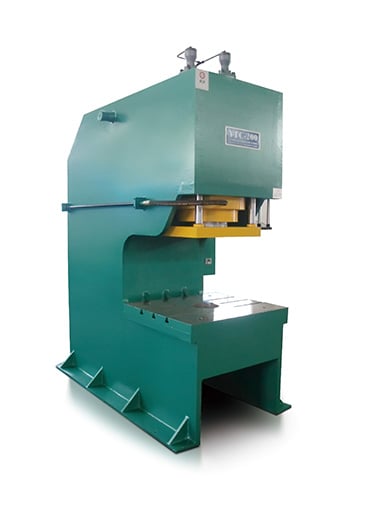
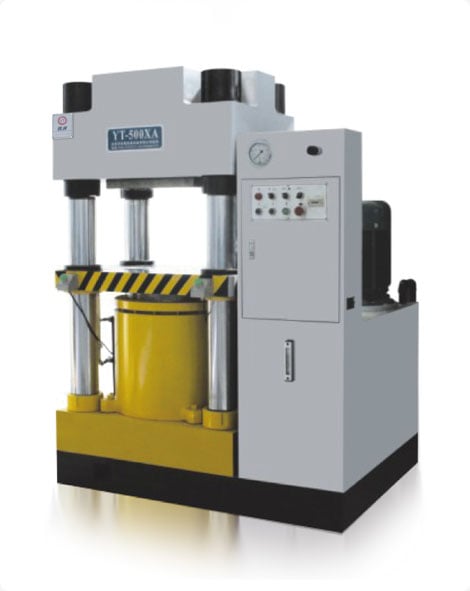
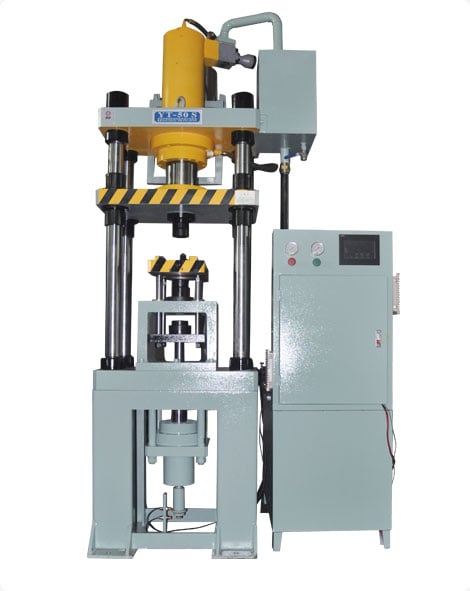
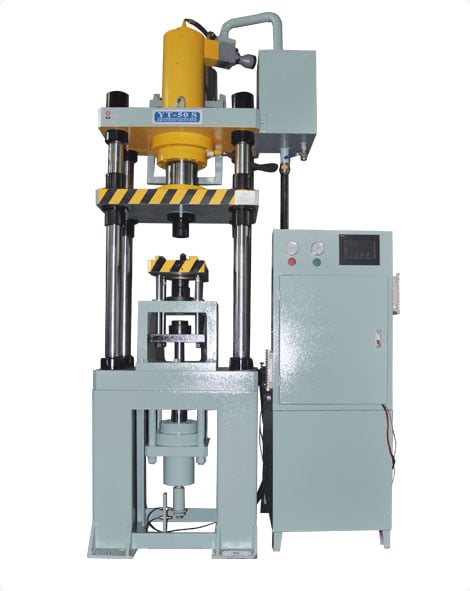
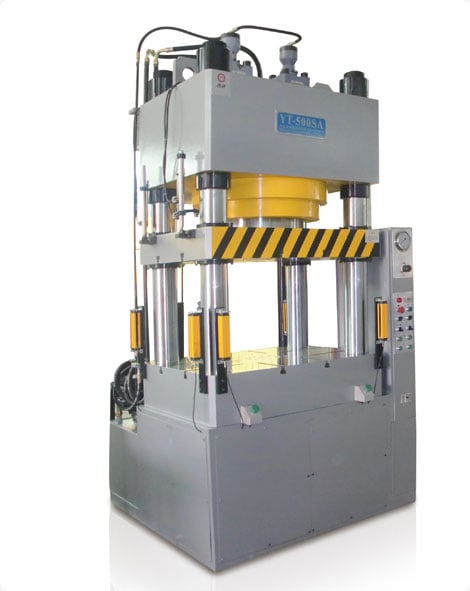
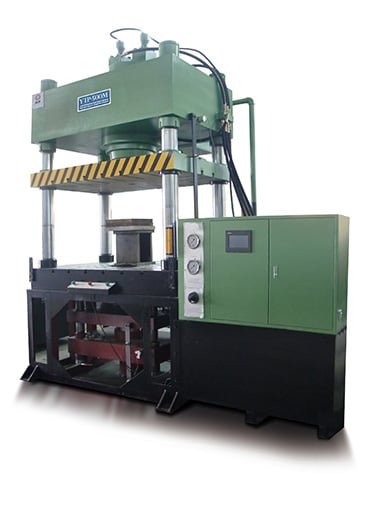
Hydraulic press frames are constructed of heavy-duty metal. Their purpose is to withstand high-pressure forces while protecting operator safety and providing stability and support for cylinders. On both sides of the machine are frames housing hydraulic systems such as pumps, cylinders, valves, etc. that generate force that is used during pressing applications.
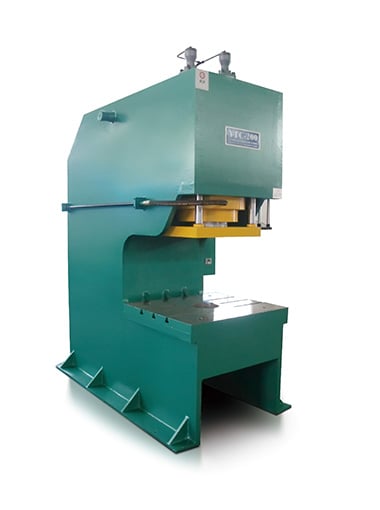
Hydraulic presses are flexible machines that can be put to many uses, from stamping sheet metal to bending and straightening materials - even producing small parts for electronics or automobiles! There are various kinds of hydraulic presses on the market, each offering different benefits and limitations - making a hydraulic press an excellent option for anyone who requires high amounts of pressure on their workpieces.
To create your own hydraulic press, it will require cutting and drilling metal parts for assembly of the frame. After completion of assembly, testing must take place before installing and testing system components - finally adding a lever will help make maneuvering the press easier.
Atop the foundation column is an adjustable top guide consisting of a hammerhead-shaped or similar type of support element arranged transversely between two plate-stack frame elements and supported via wearing strips on all internal surfaces of these elements. This arrangement positively guides frame legs in two planes in proximity of an immobile guide base that hosts foundation column and press cylinder mounting points.
Hydraulic Cylinder
Hydraulic cylinders are cylindrical tubes used for linear motion by harnessing hydraulic fluid pressure to push or pull. Hydraulic cylinders have applications across numerous industries including mining, transportation and aviation, construction, manufacturing and personal fitness - they're even found on heavy machinery like bulldozers, excavators and cranes!
Each cylinder is designed to lift a specific amount of weight and there are different options available depending on the needs of a project or business. There are general purpose designs, which provide basic options, as well as high tonnage cylinders which can lift much heavier amounts (high tonnage cylinders). It is advised that no cylinder be pushed or pulled beyond its maximum capacity as this could damage it and increase risk to people or equipment. Steel or aluminium construction options are both viable; steel's superior strength makes it the preferred choice due to its superior strength.
Two or more cylinders can be utilized when more force is necessary for certain applications. They're linked together by pistons; one pushing and the other pulling. Hydraulic fluid flows from the highest pressure cylinder (cylinder A) to its counterpart cylinder (cylinder B).
Pascal's Law governs the movement of hydraulic fluid, which states that force can be calculated from applying pressure and surface area over which it acts. A cylinder has two end caps and ends that connect to flanges welded either side of its main tube, with bolts then fitted and torqued to an established value to hold these in place.
Power Source
Hydraulic presses differ from mechanical presses in that they utilize a pump to generate pressure that can be easily applied. The pump receives power from either an engine or motor and relies on multiple cylinders holding hydraulic fluid that can be easily controlled via hydraulic fluid pressure; they're connected by pipes filled with oil which carry oil to keep their pressure under control; in most instances multiple small cylinders are employed rather than one large one to increase accuracy when applying force.
Hydraulic presses enable metalworkers to achieve greater tonnages more quickly than they could using other machines, delivering precise force when needed for each operation. Furthermore, hydraulic presses offer greater flexibility than their mechanical counterparts by being easier to move around easily, quickly swap out dies for different purposes and adjust their speed - making them a vital tool in many types of metalworking applications.
Hydraulic presses feature valves that can be adjusted to regulate the flow of hydraulic fluid and thus pressure produced. They also include a reservoir which stores this fluid and pumps that transport it to individual cylinders; additionally, one pump may feature a gear that meshes with its respective drive gears for efficient functioning.
Hydraulic power units often suffer from energy dissipation due to the mismatch between installed and demanded power. Since HPs are periodic machines that operate continuously without being fully loaded or serving low-power load operations, energy dissipation occurs. One way of mitigating this problem is integrating accumulators and superchargers into the HP unit; this allows actuators to be powered with reduced demand from actuators.
Hydraulic Pump
Hydraulic pumps are mechanical devices used to move fluid from lower potentials to higher potentials, often via multiple moving parts powered by electricity from an electric motor or gas engine. Furthermore, their housing or casing helps protect its inner components.
Hydraulic pumps are a critical element in any hydraulic system, as they convert mechanical power into hydraulic energy - both pressure and flow are necessary components of proper functioning for any hydraulic system. Without them, no workable system would exist.
There are various types of hydraulic pumps to meet the various functional and operational needs of hydraulic systems, including operating medium and required range of pressure. One popular form is the gear pump; this device uses gears and pistons to quickly deliver fluid that powers various machines.
Radial piston pumps are another popular design of hydraulic pump. They consist of multiple pistons arranged radially around a rotor hub. When this rotor rotates, its movement forces pistons in and out of their respective cylinders; this action draws in hydraulic fluid through inlets before discharging it through outlets.
Bent-axis hydraulic pumps offer another alternative to radial piston designs. They work by positioning a rotor with pistons around a valve spool area. When turned, this moves the area upwards or downwards which alters its position, changing swash plate angles accordingly and thus closing and opening check valves as pistons push out or push in, respectively allowing hydraulic fluid into or exiting via its valve spool respectively. When pistons push outwards hydraulic fluid enters but cannot leave via its valve spool when pistons push outwards!
Work Platform
Work platforms provide the surface where metal pieces being pressed will rest, so they should be strong enough to bear the force of hydraulic cylinders while remaining light enough for easy transport. Furthermore, adjustable platforms give users more control of pressing operations.
Hydraulic cylinders are cylindrical machines used in the pressing process to apply pressure to materials during their pressing. Made of metal and featuring two parts - an outer metal shell and piston rod -, hydraulic cylinders convert hydraulic power from hydraulic systems into mechanical energy that drives rams and punches to apply pressure on material, while maintaining predetermined gap sizes between press plates.
Hydraulic presses are widely utilized industrial tools used for applications ranging from thinning glass, crushing cars and creating powders to creating tremendous amounts of pressure by using hydraulic oil. A hydraulic pump supplies this fluid directly to a hydraulic cylinder - either manually, pneumatic or electric depending on which pressure/power output the hydraulic press can generate.
Hydraulic presses require not only frames, hydraulic cylinders and pumps but also work platforms to support objects being crushed by its press mechanism. To facilitate easy transportation and to withstand force of the plunger and ram, our design team created a mobile workbench featuring a telescopic mechanism to convert from fixed state into floating state for easier use as well as to decrease weight while protecting its guide rail from wear caused by carrying working forces.
Link to this article: https://www.ihydraulicpress.com/nsn/4692.html
Hot Articles
-
Hydraulic Press Channel – How Much Does Hydraulic Press Channel Make?
Five years ago, Finnish factory owner Lauri Vuohensilta uploaded videos showing himself crushing objects using his hydraulic press. Soon thereafte……
-
Hydraulic Press Channel – How Much Money Does the Hydraulic Press Channel Make?
Lauri Vuohensilta of Finland created The Hydraulic Press Channel and has since October 2015 been crushing things with his 150-Ton hydraulic press ……
-
How to Make a Hydraulic Briquette Press
Screw conveyors deliver metered amounts of material directly into the briquetting machine for efficient production of precise quantities of brique……
-
How to Make a Hydraulic Shop Press
Hydraulic presses can assist with an array of metalworking projects, from fabrication, machining and auto mechanic shop projects. They’re indi……
-
How to Make a Ring Using a Hydraulic Press
Hydraulic presses offer you the ability to work on larger-scale projects, like forming metal for jewelry and components. From pancake dies that cr……
-
How to Make a Hydraulic Press
It can be used for crushing cars Hydraulic presses are one of the most indispensable machines used in industrial manufacturing. From making cars t……
-
How Much Force Does a Hydraulic Press Exert?
Hydraulic presses can exert thousands of pounds of force and are used in numerous industrial processes, such as forming metal parts. Operating acc……
-
Boost Your Manufacturing Processes with C Frame Hydraulic Presses: A Complete Overview
Image Source: Pexels As a manufacturing professional, you may be on the lookout for ways to improve your produ……
Latest News
-
Who Makes Black Widow Hydraulic Press?
A black widow hydraulic press is a machine that utilizes fluid pressure to generate force, used primarily to compress and shape materials as well ……
-
How to Make a Mini Hydraulic Press Machine
Hydraulic presses are machines that utilize liquid pressure as force. You will often find this type of device in pharmaceutical labs, undergraduat……
-
How to Make a Hydraulic Heat Press Machine
Building a hydraulic press requires several key components in order to function. These include a frame and hydraulic ram as well as pumps and an acc……
-
How to Make a Tabletop Hydraulic Press
There is an assortment of power presses to meet every imaginable need, ranging from tabletop hydraulic models for laboratories to massive ones that ……
-
How to Make a Hydraulic Forging Press
With the right materials and knowledge, anyone can create their own forging press. A forging press creates mechanical force using toggle mechanisms ……
-
How Much Does a Hydraulic Press Weigh?
A hydraulic press is a machine that employs Pascal’s principle to generate large amounts of force. It consists of two cylinders: a smaller sla……
-
How to Make an Electric Hydraulic Press
Hydraulic presses are useful metal-forming machines used in factories for fabrication, assembly and maintenance purposes. They use a pump to generat……
-
How Much Are Hydraulic Presses?
Are you in search of an efficient tool that can mold different materials to your liking? A hydraulic press may be just what’s needed –……