











Hot Articles
-
How to Make a Hydraulic Press
Hydraulic presses are metal-forming machines that utilize hydraulic equivalents of levers to generate immense force, with the ability to apply and c……
-
How to Make Almond Oil With Hydraulic Press
Almond oil is an extremely versatile source of fats that can be used both for culinary and beauty uses, including hair and skin health benefits. Unr……
-
Hydraulic Press YouTube Channel
YouTube channel Lauri Vuohensilta hosts this channel about hydraulic presses to crush objects for his family-owned machining business, which has r……
-
How to Make a Small Hydraulic Hash Press
Utilizing a press with temperature-controlled plates, heat and pressure are applied to bubble hash loaded in filter screen bags known as rosin bags,……
-
How to Make a Hydraulic Press Brake
Press brakes are essential tools in sheet metal fabrication. They offer precise bending with force, molds and special tools. Press brake forces can ……
-
How Much Force Can a Hydraulic Press Exert?
Most people have seen hydraulic presses in action before on YouTube videos where they use immense force to crush objects with incredible force. Thes……
-
How to Make Your Own Hydraulic Juice Press
Home craftsmen create these devices using materials that can withstand great pressure. Car jacks provide them with the force they require from above……
-
How to Make a Hydraulic Rosin Press at Home
Producing quality rosin requires several components. A quality shop press, rosin plate set and an accurate pressure gauge will all help get the jo……
How Much Does a Hydraulic Press Cost?
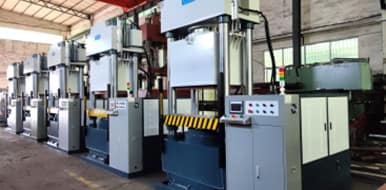
time:2023-11-27 views:(点击 1,137 次)Hydraulic presses are powerful machines that can help businesses increase productivity and efficiency. It works by using hydraulic pressure to shape materials, assemble parts, punch holes in metal components, stamp, draw, stretch or punch through other objects.
Hydraulic presses come in all shapes and sizes to meet the specific requirements of your business, with prices ranging from several hundred dollars up to several thousand. Their cost depends upon a number of factors including design, construction, additional features and maintenance costs.
Design and construction
Hydraulic presses are versatile tools used for shaping materials of various kinds, and used across industries to produce top-quality products with precise results. Furthermore, these presses can also be integrated into production lines to reduce manual labor and increase efficiency.
Design and construction of hydraulic presses can vary significantly, depending on their intended job and material. Tonnage capacity also has an impactful influence on cost; in general, smaller presses tend to be cheaper and simpler to maintain than their larger counterparts; however, additional features could increase its pricetag significantly.
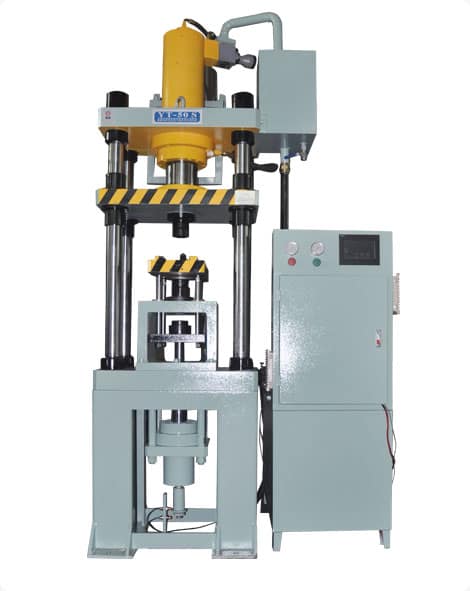
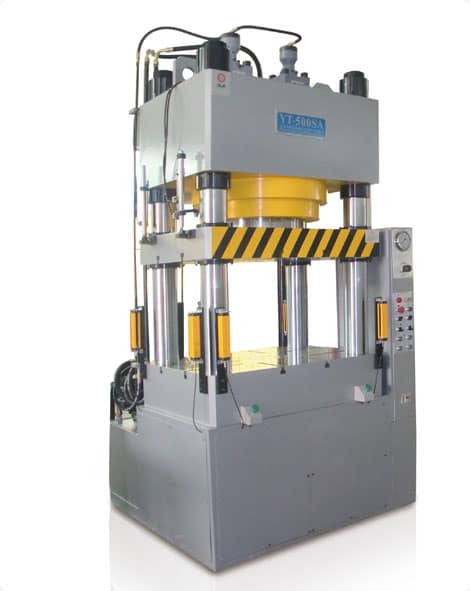
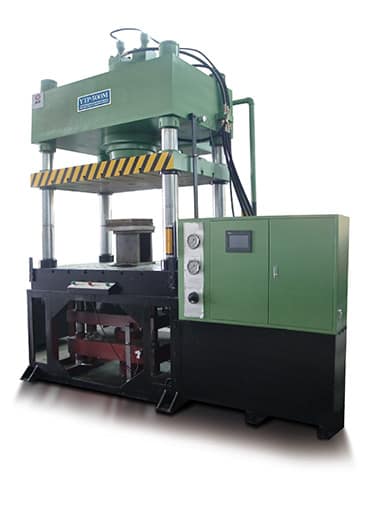
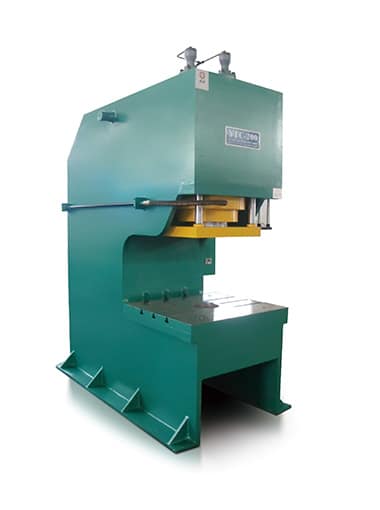
A hydraulic press relies on an intricate system of pumps and reservoirs to generate high pressure for pressing applications, then distributes hydraulic fluid through its hydraulic rams for force application. As more pressure is exerted by stronger hydraulic rams, more force will be exerted upon an object being pressed - up to 10 tons can be exerted from just one press! However, safety precautions must always be observed when operating this type of machine.
Hydraulic presses are often custom built by manufacturers, adding extra costs. This is because a manufacturer must engineer and design a press that meets customer specifications before building it offsite for assembly at their client's premises when needed.
Though hydraulic presses may be costly, they are essential tools in any manufacturing or assembly process. Their versatility and durability make them suitable for stamping metal to forming rubber and plastic; its economical maintenance makes it a valuable alternative to mechanical processes like crankshafts, flywheels, and brakes, which can be expensive and complex to keep running smoothly. They also allow employees to focus more on their work rather than worrying about maintaining equipment - something XRF Scientific provides with their range of manual, power, motorized hydraulic presses in both tons to prepare samples for XRF testing.
Maintenance and repair
An appropriately maintained hydraulic press can be an incredibly reliable and valuable machine. Regular inspections guided by an extensive checklist ensure all components are operating at optimal levels, reducing risk and downtime and increasing efficiency. A regular maintenance schedule may also lower repair costs while prolonging its life and guaranteeing it runs at peak performance.
Oil leaks are an all too familiar affliction in hydraulic presses. Leaks may occur from loose fittings, contamination and using inappropriate fluid. Leaks can lead to catastrophic equipment failure, safety risks for workers and poor machine performance - thus necessitating immediate attention and correction, lest they result in significant downtime and production loss.
Additionally, it's crucial that the press remains clean. Regularly clearing away dust and dirt can increase performance while lengthening its lifespan, as well as help identify problems early like strange noises or vibrations that are easier to solve than full malfunctions or breakdowns.
Checking the temperature of the hydraulic oil regularly and making sure that it reaches an ideal level is also key to ensure smooth operations of a press. In particular, 120 degrees Fahrenheit should be the ideal operating temperature of hydraulic oil. In addition, check bushings of your press to see if lubrication may be required - typically these consist of bronze with graphite impregnated rods requiring regular inspection for wear-and-tear issues and need lubrication as soon as they become worn; should they require it, consult their owner's manual on how best to do this.
Note the results of your maintenance checks regularly to track performance and detect any irregularities before they become serious issues that require unexpected shutdown. Relying on this record to monitor production schedules effectively and prevent costly repairs is invaluable.
An effective maintenance checklist can protect your investment and extend the lifespan of a hydraulic press, protecting both investment and life span alike. Downloadable checklists provide a structured approach to maintenance that reduces chances of overlooking an issue that could require costly repairs later. DATAMYTE makes creating and implementing these checklists straightforward, saving time and resources during implementation.
Brand
An essential piece of machinery in any workshop, hydraulic presses can be an invaluable asset when used for shaping metal for repairs, shaping rubber for mold making or stamping designs on wood. Their powerful force enables users to shape materials precisely and consistently that other machines simply cannot replicate. When selecting an ideal hydraulic press model and size for yourself it's essential that you consider its intended job, material usage, workspace dimensions and tonnage of machine.
Hydraulic presses typically consist of two connected cylinders filled with hydraulic fluid that are interlocked by an adjustable valve, forcing hydraulic fluid into one larger than the other and forcing its contents into another smaller cylinder when activated by opening its valve - forcing material compression between plates when open valve opens. A hydraulic press is an affordable machine to purchase with few moving parts that's easy to maintain and troubleshoot should something go amiss.
Though standard hydraulic presses may be an affordable solution, customized presses often prove more cost-effective for specific purposes. Such presses come equipped with more features and capacities that meet any application. MULTIPRESS provides various kinds of presses specifically tailored for various needs - you may find their machines the ideal solution!
Hydraulic presses are widely utilized by manufacturing industries for shaping metal blocks into desired forms, crushing cars or producing powder. Furthermore, hydraulic presses are often employed in construction to shape and mold concrete and other materials into shape before being utilized by medical institutions to compact powder into solid form.
Hydraulic presses can be extremely powerful machines, yet must be handled with extreme care to avoid injury or death. Regular maintenance checks, employee training sessions and oil contamination testing should all be implemented in order to keep these powerful machines operating safely for as long as possible.
Additional features
Hydraulic presses are powerful tools that enable businesses to shape and manipulate materials with force. Highly durable, they can withstand even the harshest working environments while being less likely to malfunction than mechanical presses - meaning fewer repairs and maintenance costs compared with mechanical models for your business.
There are various hydraulic presses on the market, each offering unique features to help maximize their effectiveness. You have options such as manual or automatic presses which make controlling them faster and simpler, double-acting cylinders which lift and push, as well as remote controls to enable you to easily adjust their height as necessary.
Hydraulic presses also boast lower noise levels than other industrial machines due to having fewer moving parts and being lubricated with pressurized oil lubricant, making them significantly quieter than their counterparts. This can be particularly advantageous in factories or workshops where noise control is an issue.
Hydraulic presses boast a smaller footprint than many industrial machines, as they generate high amounts of pressure over a small area - which makes them space efficient and a major benefit in environments with limited floor space. Furthermore, hydraulic presses are faster to operate than other machines.
While hydraulic presses may seem costly initially, their value lies in long-term cost savings by cutting maintenance and repair expenses and increasing production and quality with precise, accurate results every time. Their numerous benefits make a hydraulic press an outstanding choice for any shop; just be sure that before purchasing one that it offers maximum returns for your money and that selecting the appropriate model can make all the difference in its success!
Link to this article: https://www.ihydraulicpress.com/nsn/5414.html
Hot Articles
-
How Much Does a Hydraulic Press Weigh?
Hydraulic presses are versatile tools used for many different tasks, including metal forming, deep drawing, clinching, staking, punching and blank……
-
Can a Hydraulic Press Make a Diamond?
Diamonds may be famously hard, but that doesn’t make them indestructible. A simple mistimed blow could crack or shatter them with just a lit……
-
How to Make a Homemade Hydraulic Press
Hydraulic presses are essential tools for any garage master. From silent blocks to fuel briquettes, the hydraulic press makes creating these items e……
-
How to Make a Hydraulic Rosin Press
Building an in-home hydraulic rosin press doesn’t require welding skills or being comfortable swinging a hammer; there are numerous DIY opti……
-
How Much Money Does the Hydraulic Press Channel Make?
Lauri Vuohensilta of Tampere, Finland began using his hydraulic press to crush stuff with his YouTube channel some years ago and has become an int……
-
Can You Make Manual Press Into Hydraulic Press?
A hydraulic press can provide immense force when it comes to metal forming. There is a range of sizes and configurations to suit individual needs. T……
-
How to Make an Electric Hydraulic Press
Hydraulic presses can be used for an array of tasks, from pressing metallic objects into sheets of metal to thinning glass and creating powders. T……
-
Can You Make a Tortilla With a Hydraulic Press?
A hydraulic press is a device that employs Pascal’s principle to produce force. It consists of two cylinders: a slave cylinder and master cyli……
Latest News
-
How to Make a Tabletop Hydraulic Press
From small laboratory presses to massive hydraulic presses that can exert hundreds of tons of pressure, there is a metalworking press available fo……
-
How to Make a Hydraulic Press Model
Hydraulic presses use liquid under pressure to exert force on an anvil and die, making it easy to crush all sorts of items. Individuals looking to g……
-
Can You Make a Diamond With a Hydraulic Press?
Diamonds may be one of the hardest materials on Earth, yet they’re still susceptible to destruction; even with enough force a hydraulic pres……
-
How to Make Manual Hydraulic Press
When a hammer simply isn’t enough, this 10-ton hydraulic press provides all of the force you need. Easy to use and reliable results every time……
-
How to Make a Small Hydraulic Press
The hydraulic press is a machine that uses mechanical pressure to compress and shape materials such as metals, clay or wood. Additionally, this pres……
-
Can You Make a Tortilla With a Hydraulic Press?
If you want to create delicious tortillas, starting off with the right ingredients is key – including nixtamalized corn, masa harina (powder……
-
Can a Hydraulic Press Make a Diamond?
Diamonds are widely known to be among the hardest materials on Earth; however, hardness shouldn’t be taken as synonymous with toughness. Dim……
-
How to Make Your Own Hydraulic Juice Press
Juice pressing provides bioavailable vitamins, minerals and enzymes which can quickly be assimilated and provide a quick energy boost. To build yo……