









Hot Articles
-
How to Make Hydraulic Press Plates
Hydraulic presses are essential components of a well-organized car repair station. Used for bending and straightening parts, replacing bearings an……
-
How Much Force Does a Hydraulic Press Exert?
Hydraulic presses utilize fluid pressure to generate massive amounts of force, making them perfect for industrial use. Their force output depends on……
-
How Much Money Does the Hydraulic Press Channel Make?
The Hydraulic Press Channel is an addictive YouTube series where one guy crushes stuff in his shop with a hydraulic press. These videos are fun an……
-
How to Make Hydraulic Presses
Applying high compressive forces over an extended period for composite material production or quickly in medicinal tablet manufacturing require po……
-
How to Make a Small Electric Hydraulic Press
Hydraulic presses use liquid pressure to generate force. They work by connecting several interlinked cylinders filled with hydraulic fluid. The sm……
-
Hydraulic Press YouTube Channel
Hydraulic Press channel has quickly become a cult hit with an enthusiastic following since its initial debut on Reddit; seeing an exponential increa……
-
How Much Is a Hydraulic Press?
Know all you need to about hydraulic presses? In this article we cover everything you need to know about them from costs and purchasing to choosin……
-
How to Make a Hydraulic Briquette Press
Heating systems designed specifically to work with materials containing lignin are specifically tailored for use when dealing with materials that im……
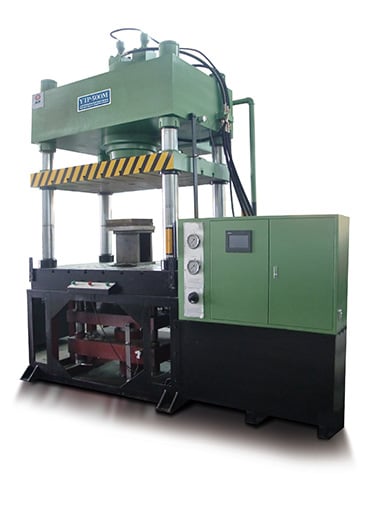
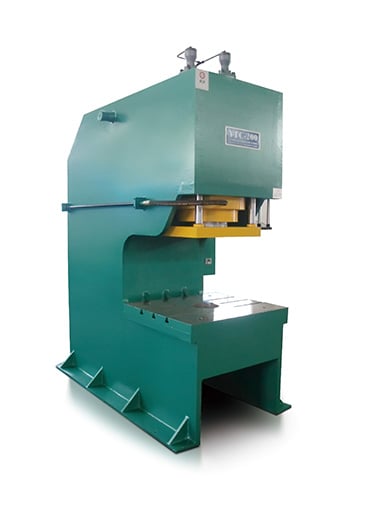
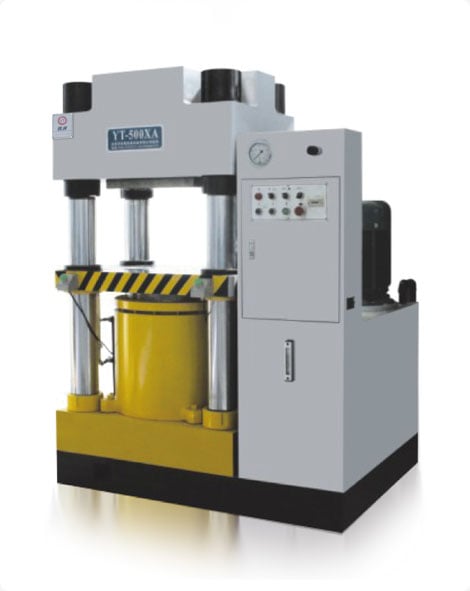
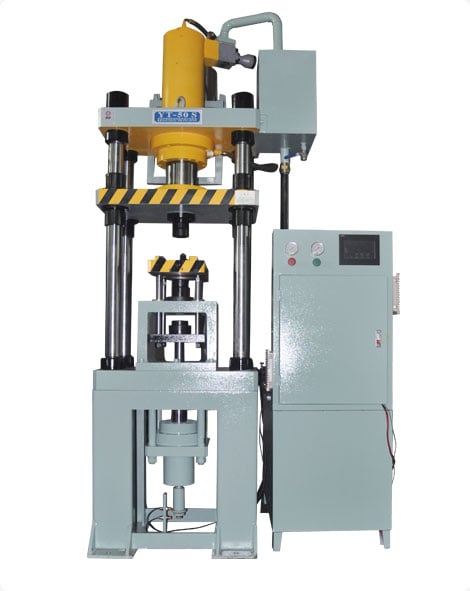
How to Make a Hydraulic Press Machine
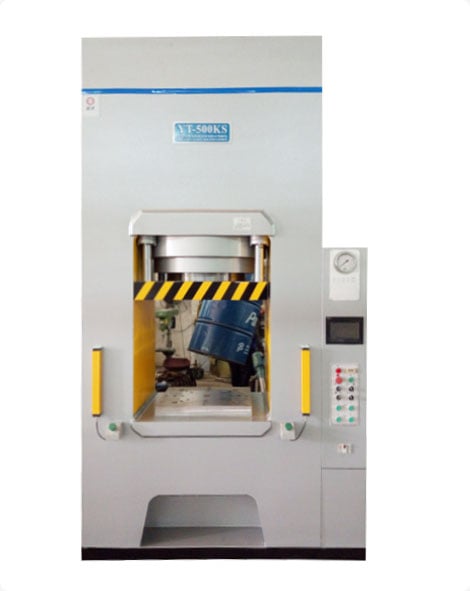
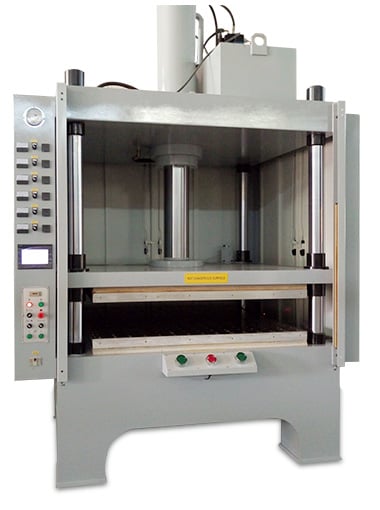
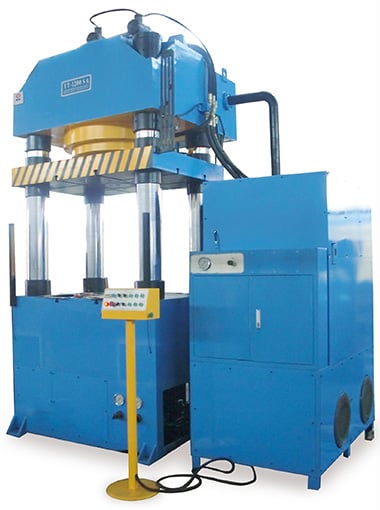
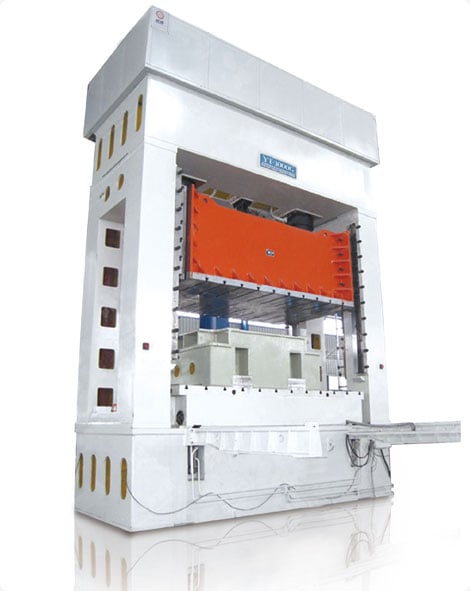
time:2023-06-29 views:(点击 1,153 次)Hydraulic presses are machines that use liquid to transmit force. Based on Pascal's principle, which states that pressure applied to confined fluid is distributed evenly in all directions.
Hydraulic presses are indispensable tools for performing metal tasks such as stamping, bending and punching. Their power comes from both a pump and an accumulator which stores high-pressure hydraulic fluid.
Hydraulic system
Hydraulic systems are essential components of hydraulic presses that convert fluid pressure to mechanical power for applications including forming, flanging, stamping, cold extrusion blanking and sheet drawing. Composed of a master cylinder, piston rod and reservoir for hydraulic fluid storage; their components must be designed specifically to withstand high pressures and temperatures during use.
Hydraulic presses work on Pascal's law, which states that force applied to enclosed liquid is distributed equally across its volume. This principle allows hydraulic systems to amplify user force without losing energy; additionally, hydraulic systems produce greater pressure simultaneously than pneumatic ones.
Hydraulic presses use piston rods to transfer pressure from their master cylinder to their workpiece, producing compressive forces on both dies and workpiece, before being placed against a ram for shaping purposes. A manual control valve may also be employed in order to regulate how much pressure exerted on them by blocking or diverting oil flow. This enables precise adjustments in plate pressure.
A hydraulic press is a powerful tool capable of crushing numerous items. While some use them solely to gain internet fame by crushing items such as cheese and magnets, this powerful machine serves many important uses in industry - metal forming and flanging operations; punching; stamping; as well as powdered metals. You can operate your hydraulic press either by hand pump or electric motor and it has minimal maintenance costs and operating requirements.
Power unit
A hydraulic press machine's power unit is an essential element of its overall system. Comprised of various components - pump-motor station, control valves, indicator gauges for pressure/flow/etc, strainers/filters/safety switches housed within pipes/fittings in an oil tank - its purpose is to supply energy. The power unit is intended to facilitate various movements such as pulling/pushing, lifting/lowering, pressing/stretching, clamping/releasing, moving and holding. Selecting the appropriate motor is vitally important in order to avoid power losses and other problems; typically electric motors provide greater initial torque than diesel and gasoline engines - although ultimately this decision depends on your application requirements as well as consumption rates of your motor-pump system.
Hydraulic power units are often employed for metal forming applications, including forging and bending metal pieces, or creating mold components from composite, rubber or plastic materials. They offer significant force at a relatively affordable price while being reliable and long-term reliable solutions.
Design of a hydraulic power unit depends on its intended task. For instance, pipe bending machines require high working pressure with limited piston stroke per minute while shovels need fast stroking at a higher power output. Hydraulic power units should also use an automated thermostat or fan to regulate their working temperature, in order to protect their hydraulic fluid from overheating, as well as refill its tank if its pressure falls below certain thresholds. Pressure switches can also be installed to regulate accumulator pressure. Selecting motor and pump models which match those of the hydraulic power unit will help minimize energy waste while improving cost-efficiency over time.
Cylinder
Hydraulic presses are among the best machines available for producing large amounts of pressure, producing more force than manual hammers to crush and compress metal into useful shapes for various uses. Smiths use hydraulic presses to craft swords from combinations of metals that have been beaten together under high-pressure conditions until forming the perfect blade shape has been reached; this process also makes the sword stronger than would otherwise be the case when forging by hand.
An hydraulic press's operation is fairly straightforward. It relies on Pascal's Law, which states that pressure applied to a fluid is distributed equally in all directions, enabling immense amounts of power to be exerted without damage occurring to either its device or surroundings. Plus, both electric and air powered models make operating the machine simple with options to change ram force, dwell time, press direction speed or press speed according to individual job needs.
Hydraulic presses may have gained internet fame for crushing items like cars, but they also serve an important industrial function. Hydraulic press machines can help save both time and money in production processes by automating tasks that were once done manually - using one can save both time and money in manufacturing processes!
An additional advantage of hydraulic presses is their noise-reducing properties, making them suitable for manufacturing plants with noise-sensitive environments or those who prioritize worker health and safety. Furthermore, hydraulic presses can be configured to meet specific standards (for instance those manufacturing automotive parts must conform with OSHA (Occupational Safety and Health Administration) regulations).
Rams
Rams for hydraulic press machines convert hydraulic fluid to mechanical energy, enabling the cylinder to create force and transfer that force to a workpiece. However, it must be remembered that their maximum capacity cannot exceed this pressure; therefore it is vitally important that their condition be regularly assessed to ensure maximum effectiveness of use.
Leaky pump plungers are an all too common issue with hydraulic presses. This issue usually results from a loose packing nut which needs tightening; possibly also replacing piston packing may be necessary; out-of-align rams may need their position adjusted as well; should that occur, remove and clean/reseat ball on seat before reseating to piston as necessary and also check piston for wear/tear and re-seat as required.
Hydraulic presses stand out among other machines by having few moving parts, which reduces risk and makes them more efficient. Furthermore, hydraulic presses offer greater control over ram movement; this feature can help your shop save both money and time by decreasing replacement tool needs due to overloading.
One advantage of using a hydraulic press is its ability to produce larger capacities at reduced costs. Hydraulic presses make it easy to add stroke length and daylight (the open height between bed bolster and ram bolster when the cylinder is fully retracted) without incurring additional expenses, plus they're much quieter than mechanical presses and require less maintenance; all factors that help lower operating costs while increasing productivity.
Table
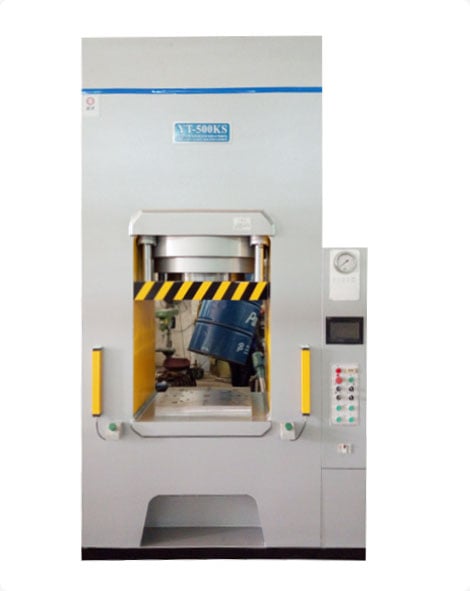
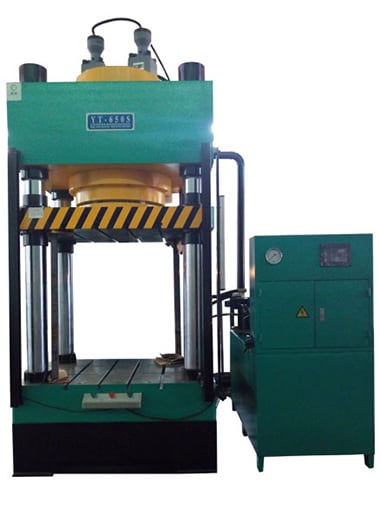
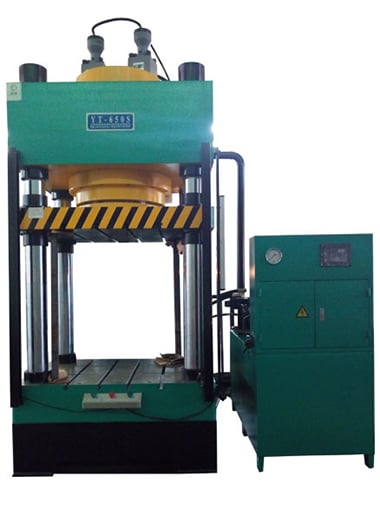
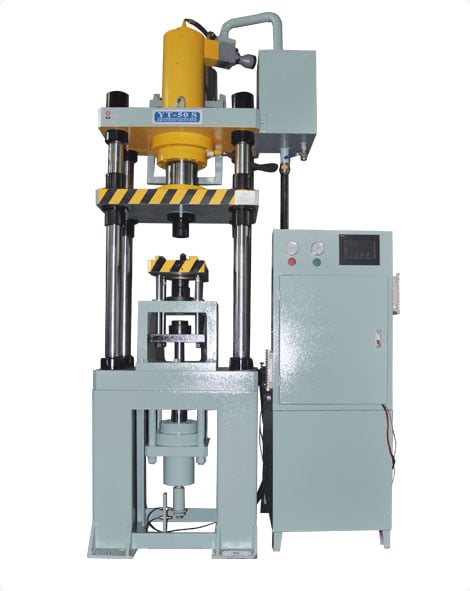
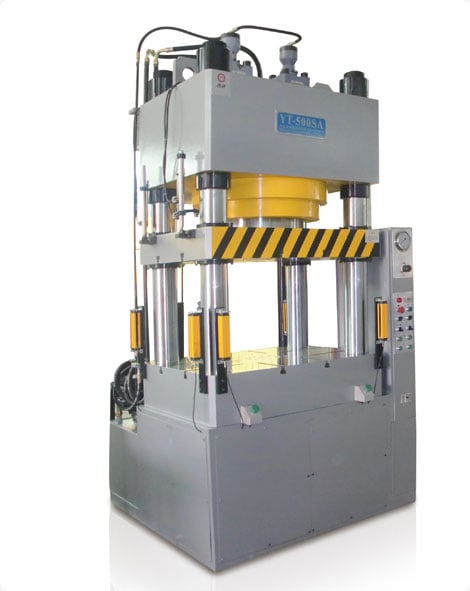
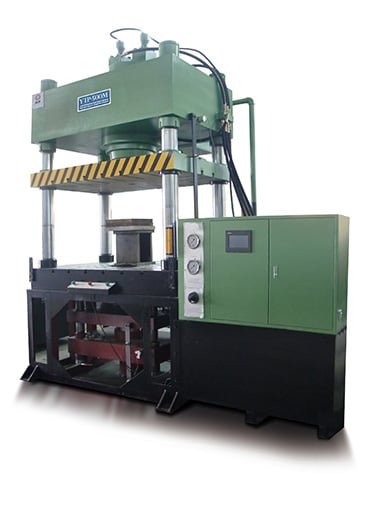
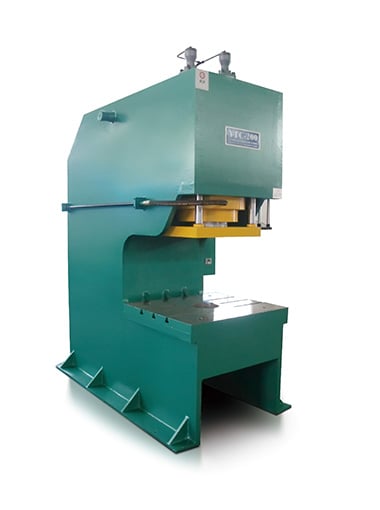
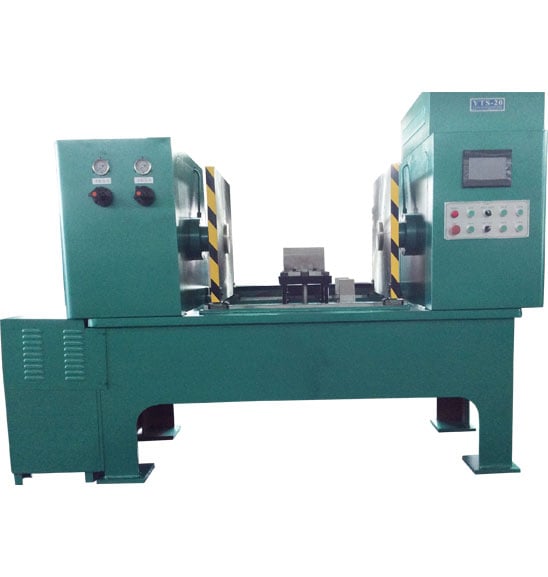
Hydraulic presses are heavy-duty pieces of equipment used to shape, flatten, stamp and bend metal into various forms. You'll find these machines used everywhere from construction sites to scrap baling facilities - and use a hydraulic cylinder that exerts compressive forces onto a table, supported by an outer frame.
Manufacturers utilize metal forming machines in several applications, from manufacturing and other to medical. Once formed, this pressed metal can then be joined with other parts and assembled as the finished product. However, these machines should be treated as potentially dangerous tools that may fail and cause injuries to workers; daily inspection and preventative maintenance will help avoid these hazards at much less expense than full machine failure or injury repair bills.
Safety should always be at the forefront when working with hydraulic presses, and every workplace must adhere to stringent safety protocols. Even with extensive training, however, accidents may still happen with machinery that is constantly under stress - including mishandling, mechanical breakdowns and human error as common causes of accidents with hydraulic presses.
There are various kinds of hydraulic presses, but all operate similarly. Their hydraulic systems generate mechanical power while being powered by oil stored in an oil tank that's connected directly to a cylinder through an oil-transferring tube - this system of hydraulic pressure makes these presses so effective at performing multiple tasks at once!
Link to this article: https://www.ihydraulicpress.com/nsn/3738.html
Hot Articles
-
How to Make a Wooden Hydraulic Press
An essential piece of equipment in any garage, a hydraulic press can easily be made at home to save both money and effort in purchasing an expensi……
-
How to Make a Hydraulic Fruit Press
Hydraulic presses are machines used to generate significant loads and extract juice, and are most frequently found at summer cottages for making app……
-
How to Make a Manual Press Into a Hydraulic Press
Before purchasing a manual hydraulic press, carefully assess your needs. These presses can be used for KBr pellet preparation, XRF sample preparat……
-
How Much Does a Hydraulic Press Weight?
Hydraulic presses are powerful manufacturing technologies. Used for various metal shaping and forming processes such as moulding, forging and blanki……
-
How to Make Manual Hydraulic Press From an Ordinary Jack
If you wish to create a manual hydraulic press from an ordinary jack, it is necessary to first create a drawing of it and consider which tasks it wi……
-
How to Make a Hydraulic Heat Press Machine
Hydraulic presses work on an easy principle: using two cylindrical fluid-filled chambers: a small slave one and one that exerts force to apply press……
-
How Much Does a 50000 Ton Hydraulic Press Cost?
Hydraulic presses are powerful machines capable of bending metal for repairs, molding rubber for specific uses and stamping designs onto wood. Fur……
-
How Much Does the Hydraulic Press You Tube Channel Make?
Five years ago, Finnish factory owner Lauri Vuohensilta launched a YouTube channel dedicated to crushing random objects with his 150-ton hydraulic p……
Latest News
-
How to Make Hydraulic Press Using a Hydraulic Jack
Hydraulic presses are invaluable tools for creating custom metal shapes. Additionally, they can also be used to crush items such as aluminium cans……
-
How Do Hydraulic Presses Work?
Hydraulic presses are capable of creating enormous forces, making them ideal for various industrial uses. But how exactly do these powerful machines……
-
How to Make a Coin Using a Hydraulic Press
If you want to produce gold coins, a hydraulic press is the ideal tool. However, in order to prevent costly mistakes when using it correctly. Coin……
-
How to Make a Powerful Hydraulic Press With Syringes
Hydraulic presses are powerful tools, capable of crushing anything from fruit to dynamite or diamonds with precise force and ease. Their straightfor……
-
How to Make Hydraulic Press Project
Hydraulic presses can generate enormous forces, making them perfect for numerous industrial uses. Metalworkers frequently utilize hydraulic presses ……
-
How to Make a 20 Ton Hydraulic Press
Hydraulic shop presses are machines designed to apply downward high pressure onto metal items, typically for tasks such as bending and pressing me……
-
How Much Force Can a Hydraulic Press Generate?
Hydraulic presses have many industrial uses, from metalworking to woodwork. Since they generate enormous force, hydraulic presses make a perfect t……
-
How Can Make a Small Hydraulic Hot Press?
The hydraulic hot press is an adaptable machine, suitable for many different uses and easy to use, offering precision and durability in equal measur……