










Hot Articles
-
What is Something a Hydraulic Press Can’t Crush?
Watching a hydraulic press flatten and crush things is always satisfying, whether its crushing ketchup bottles under 150 tons of pressure, or toot……
-
The Hydraulic Press
A hydraulic press is a machine that utilizes the pressure generated in a fluid to compress, laminate or cut metals. This principle relies on Pascal&……
-
Where to Buy Hand Hydraulic Press
Hydraulic presses are widely used to produce household items, automobile components and aircraft components – as well as straighten metal ob……
-
What Is a Hydraulic Press Cylinder?
Hydraulic presses use only minimal force to produce much greater pressure than you could exert with your hands alone, thanks to Pascal’s law……
-
Who Makes Black Widow Hydraulic Press?
The Black Widow is a 20 ton hydraulic shop press capable of bending, shaping and straightening metal, loosening seized parts and replacing bearing……
-
Hydraulic Press Channel – What Broke The Hydraulic Press?
Lauri Vuohensilta and Anni run a family machining business, so their hydraulic press sees regular use. As evidenced in videos showing them crushin……
-
What Is Hydraulic Press Brake?
Press brakes are essential tools in any metal fabrication shop, used to bend sheet metal into desired shapes or create molded metal parts. Hydraulic……
-
Why Does Everyone Hate Hydraulic Press Videos?
After an iconic video featuring someone crushing items with a hydraulic press made headlines last year, The Hydraulic Press Channel has become a phe……
What is the Difference Between Hydraulic Press and Mechanical Press?
time:2023-06-02 views:(点击 1,220 次)
While each type of press provides unique benefits for businesses and jobs alike, ultimately choosing mechanical versus hydraulic presses comes down to your individual business' needs and volume requirements. Speed and volume play an integral part in which type you install.
The Basics
Before purchasing either a hydraulic or mechanical press, it's essential to determine its purpose and your manufacturing process's needs. Consider whether speed and high volume production are essential or flexibility is more of an imperative in your manufacturing process - once this evaluation has been made, you can determine which press type would best meet them.
A mechanical press operates using motor-driven flywheels to convert circular motion into linear movement of its slide and push your workpiece against it with minimal force, producing your desired shape or function.
Mechanical presses provide several benefits, including high operation speed, straightforward setup and low upfront and operating costs. Furthermore, these green machines do not use hydraulic fluid and thus prevent leakage or spillage that would have detrimental environmental impacts. It should be noted however that mechanical presses have fixed stroke length limitations which must be considered.
Mechanical presses also present another drawback with their excessive noise emission during operation, potentially impacting employee health negatively and leading to stress, fatigue and absenteeism. Furthermore, due to so many moving parts within its design, such presses may be susceptible to breakdowns.
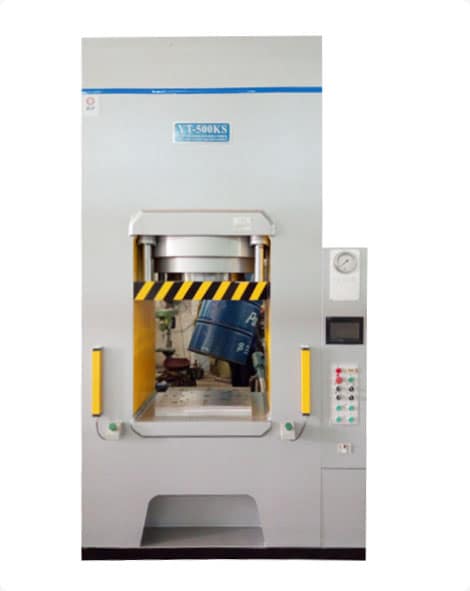
Hydraulic presses offer greater versatility and control. They can form and stretch materials for the desired results, and be programmed to alter dwelling speed during forming processes. Hydraulic presses can easily be reconfigured to produce different parts depending on your manufacturing process, while their full tonnage output allows for more precision and accuracy when producing products. Hydraulic presses can significantly decrease scrap production while improving production efficiency, as they're capable of creating complex shapes like tanks, cylinders and bowls - two reasons why hydraulic presses are widely utilized across industries.
Variable Speed
Hydraulic presses can be made more productive than their mechanical counterparts by being controlled with pressure. This enables them to operate at much higher rates while simultaneously decreasing energy usage and noise pollution levels.
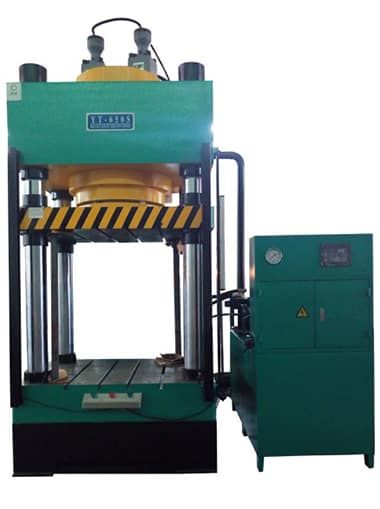
Hydraulic systems for presses rely on two connected cylinders filled with hydraulic fluid. One cylinder, known as the Ram, and one smaller one known as Plunger are interconnected and linked, so when one of them is pushed down it pushes both upwards, crushing any item placed between them simultaneously. These hydraulic systems are specifically designed to work silently yet effectively.
Hydraulic presses can be utilized in numerous metal forming operations, including stamping, bending and forming. They're ideal for applications requiring high production with fast setup times as well as accurate results with lower initial investment costs; however they're less suitable for impact jobs such as drop hammering or coining due to potential shockwaves from their hydraulic actuators.
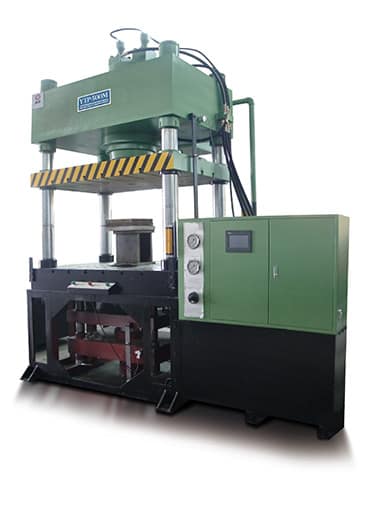
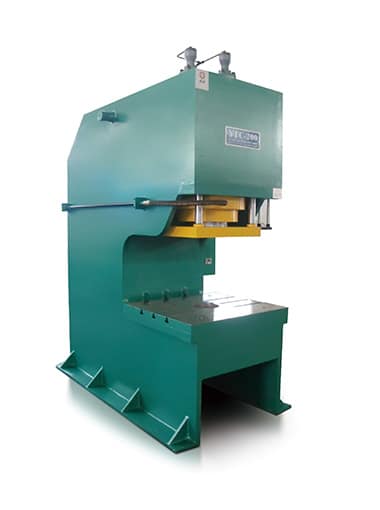
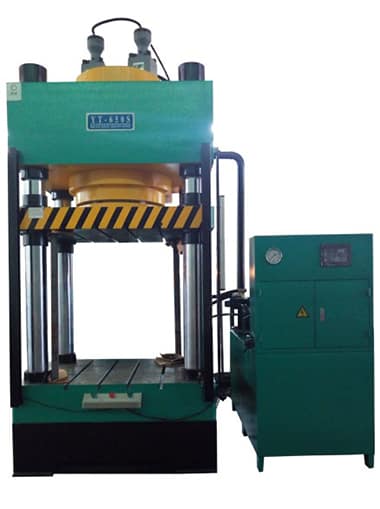
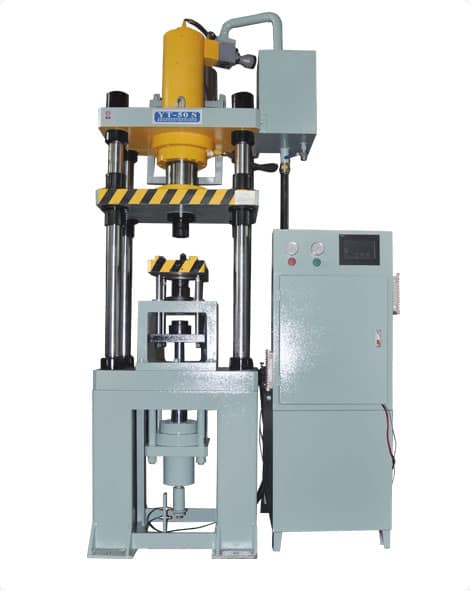
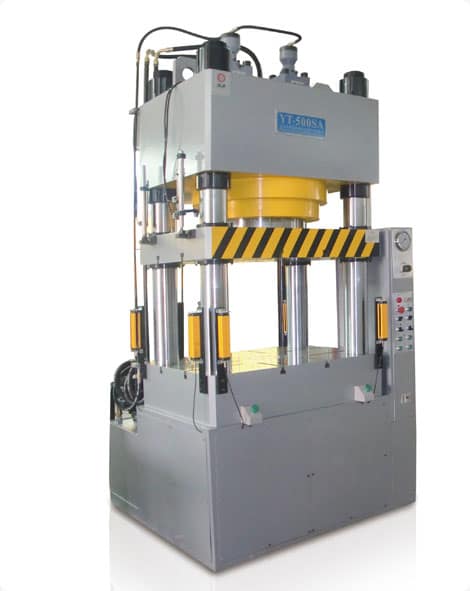
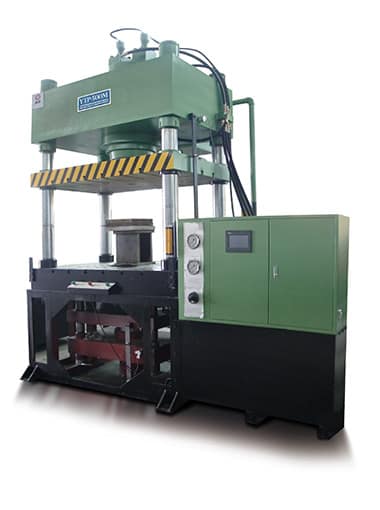
There are various kinds of hydraulic presses on the market today. C press frames feature a similar shape to that of the letter C and can easily handle mild applications. Furthermore, H frames with top drives offer more substantial components, while heavy duty channel presses offer large ram forces.
Servo presses are also ideal for high-speed applications. Their faster performance than mechanical presses allows for easier programming to produce various parts easily; according to Landowski, they consume only half the power needed by traditional hydraulic presses.
An ideal way to enhance the performance of a hydraulic press is by increasing its number of cylinders and increasing oil lubrication. This will decrease wear-and-tear on the machine while helping it maintain an even temperature. Cylinders may be altered according to specific projects; larger ones provide increased strength while small cylinders offer flexibility required by some applications.
Hydraulic Power
Hydraulic presses differ from mechanical presses by using water as the means to move pumps and cylinders, thereby decreasing maintenance costs significantly while simultaneously providing greater precision when controlling force of ram. As a result, this machine produces higher quality work while still remaining highly productive.
A hydraulic press is an efficient tool used for coining, crimping, punching and bending tasks. These presses can be found everywhere from repair shop maintenance to assembly lines or creating customized products; and come in various sizes to meet processing needs and accommodate custom builds. Plus, its increased reliability means longer use without issue!
Hydraulic presses are among the most efficient tools available for deforming hard materials such as steel and aluminum, producing parts with tight tolerances that meet specific design factors not achievable with other types of machinery. They're particularly beneficial in blanking applications involving cutting shapes out from coils, sheets, strips or billets of material.
This type of press relies on a welded frame, pump and cylinder to apply pressure to workpieces. The hydraulic system powers this pump which in turn controls how much pressure is created up to an adjustable limit; when this limit has been reached it triggers an automatic valve which reverses it, protecting its hydraulic system and prolonging its lifespan.
Although hydraulic presses are versatile tools, they may not always be appropriate for all applications. In particular, soft jewelry pieces or impact jobs like coining may not fare well under its forceful operation. Deep drawing or applications requiring shear forces could benefit more. When considering this versus mechanical options it is also important to factor in cost.
Safety
Machine shops and factory floors are not always the safest places to work, even with stringent safety measures in place. Equipment used there poses serious potential threats that could endanger lives of those using them; hydraulic presses in particular pose serious dangers if operated incorrectly as these machines have the capability of crushing large amounts of material quickly, rendering them dangerous for operating by workers without due caution.
There are ways to prevent accidents when operating a hydraulic press, the most critical being training workers properly before beginning work with these machines. This should include basic operative training followed by advanced courses which teach how to use different features of them and how to deal with problems if encountered.
At the core of any effective safety regime is making sure every machine is thoroughly inspected prior to being operated, helping reduce accidents in the future. A daily inspection routine should include looking for broken or loose parts, checking all guards are properly in place and checking for leaks; any time issues are identified the machine should be locked out and then tagged out until any of them have been resolved.
Leaks should also be taken into consideration when examining hydraulic presses. Leaks can occur around hose end fittings, hydraulic lines and even the ram itself causing pressure loss that could potentially endanger workers or even cause physical damage to equipment. To minimize leaks it's essential that all equipment is regularly lubricated with recommended oil as well as clean and inspect the machine regularly for signs of wear.
At all times when in the area of a press and performing maintenance or other tasks on it, all workers should wear appropriate personal protective equipment (PPE). This should include wearing face shields, eye protection and gloves. Furthermore, close fitting, comfortable clothing without jewelry or rings may also help ensure their safety.
Link to this article: https://www.ihydraulicpress.com/yn/3395.html
Hot Articles
-
Why Is a Hydraulic Press So Powerful?
Hydraulic presses are formidable machines capable of creating massive amounts of force. Their functioning involves using two cylinders – one……
-
How Do You Calculate Tonnage for a Hydraulic Press?
Hydraulic presses are highly productive forming tools, capable of exerting thousands of pounds of pressure. Hydraulic presses offer versatility and ……
-
What is Hydraulic Power Press?
Hydraulic power presses can help your business compress, assemble, draw, punch and trim materials more efficiently than mechanical presses do R……
-
Why Doesn’t a Hydraulic Press Defy First Law of Thermodynamics?
Hydraulic presses produce immense force, making them suitable for an array of industrial uses such as metalworking, car crushing and even creating p……
-
Hydraulic Press for the Woodworking Industry
In the woodworking industry, hydraulic presses can be utilized to shape and form various materials. They’re an invaluable tool for metal or pl……
-
What Is Hydraulic Press Brake?
Press brakes are essential tools in any metal fabrication shop, used to bend sheet metal into desired shapes or create molded metal parts. Hydraulic……
-
Where Do They Sell Hydraulic Presses?
Hydraulic presses are powerful machines used to compress materials like metal into form factor shapes – and even car chassis! These machines a……
-
What Fluid is Used in Hydraulic Press?
Hydraulic presses play an essential part of many manufacturing and production processes, providing force transference by harnessing energy stored wi……
Latest News
-
What is the Difference Between a Hydraulic Press and a Power Press?
Hydraulic presses are widely used across a range of industries, helping operators fit, bend and assemble sheet metal parts, bearings and equipment. ……
-
What is a Hydraulic Stamping Press?
Hydraulic presses are specialized metal stamping machines, capable of stamping sheet metal, copper and stainless steel into stamped parts. This heav……
-
What Should the Hydraulic Press on a Ford 2110 Tractor Be?
Hi csipes! The hydraulic pump and power steering systems are two separate operating systems. Hydraulic fluid can be drawn in through a tube runnin……
-
Hydraulic Presses Used in the Medical Industry
Hydraulic presses are highly productive machines that enable manufacturers to finish tasks rapidly and efficiently. They’re even used in the m……
-
What is an Air Hydraulic Press?
Air hydraulic presses (sometimes referred to as air over hydraulic or hydro pneumatic presses) feature fewer moving parts and consume less energy ……
-
What’s the Biggest Hydraulic Press As Far As Tonnage?
If you’re shopping for a hydraulic press, certain factors must be taken into account when making your selection. These include tonnage, cylind……
-
What Hydraulic Oil For Truss Press?
An individual worker lays each member of a truss on beds of presses arranged in the desired pattern, using companion plates 20 to operate both press……
-
What Can a Hydraulic Press Not Crush?
Hydraulic presses seem capable of crushing just about anything; internet videos show people crushing everything from hockey pucks to Nokia 3310s wit……