










Hot Articles
-
Can Anything Beat a Hydraulic Press?
A hydraulic press is an apparatus that uses hydraulics to apply tremendous force. Its power comes from a hydraulic pump, which pumps oil into a cy……
-
Hydraulic Press for Hydraulic Hose Repair
Hydraulic presses are versatile pieces of machinery used in various industries such as food production, cosmetics manufacturing and blacksmithing. P……
-
How to Do Hydraulic Press Puzzle Persona 5
In the next room, your path is blocked not by arms but by robotic presses. Begin by disabling the purple arm at the start of this room. Use the co……
-
How Much Force in Hydraulic Press?
Hydraulic presses are machines that use mechanical force to generate high levels of pressure, such as those used to crush cars. Their operations a……
-
How to Repair Hydraulic Presses
Your manufacturing business relies on hydraulic presses for shaping metal components, so any downtime or productivity loss must be kept to an abso……
-
How Do You Release a Tabke Top Hydraulic Press?
Hydraulic presses play an integral role in many manufacturing and production processes. From stamping and shaping parts, to crushing waste materia……
-
How to Make a Hydraulic Heat Press Machine
Hydraulic presses are powerful machines that are essential to both independent workers and large manufacturers alike, but before purchasing one, i……
-
How to Safely Use a Hydraulic Press
Hydraulic presses are essential in any machine shop, yet can also be dangerous when not used correctly and according to safety protocols. Keep you……
How Dangerous Is a 50 Ton Hydraulic Press?
time:2023-05-10 views:(点击 1,097 次)
Hydraulic presses are highly versatile machines that can perform a range of functions - from crushing large objects to shaping metals - and are therefore an integral part of many machine shops.
Hydraulic presses are far quieter than mechanical presses due to fewer moving parts and no flywheel.
Safety Precautions
Hydraulic presses pose some inherent risk and danger, but taking appropriate safety precautions can reduce this exposure and ensure everyone in your team feels confident when using the tool.
Preventative maintenance of hydraulic presses is crucial to minimizing accidents. They operate under constant pressure, high temperatures and wear; so their critical components must be regularly examined to ensure their correct function.
Daily inspections can identify issues that could cause failure, such as slow pressure build-up, damaged relief valve and motor problems, as well as prevent issues like oil leakage that could endanger any nearby workers. To meet the highest standards of hydraulic press safety, consider equipping your machines with failsafe locking actuators which prevent cylinders from operating during power loss - this cost-effective and straightforward way of fulfilling hydraulic press guarding requirements can also protect workers from inadvertently extending limbs into the operation chamber, an injury causing source.
Training
Hydraulic presses are highly useful tools, and essential to many industrial and manufacturing tasks. However, when operated incorrectly they pose serious safety risks - so it's vital that safety solutions are integrated into press operations as well as regular risk assessments are performed in order to protect both yourself and your team members from injury.
One of the best ways to remain safe when operating a 50 ton hydraulic shop press is with proper training. This training will teach your team how to use and identify potential risks with ease, and help prevent unnecessary accidents from occurring.
Hydraulic presses are versatile machines that can perform numerous functions, from straightening, bending and stamp work to bearing removal and installation. Commonly found in automotive shops, metalworks and fabrication facilities alike, hydraulic presses save space while still offering enough force for most projects - they may even come equipped with tool attachments to suit specific needs.
Maintenance
A 50 ton hydraulic shop press is a heavy-duty machine used for pressing and straightening metal parts and materials, but requires regular inspection to ensure its safe and efficient use. Regular maintenance should also be conducted to ensure optimal results.
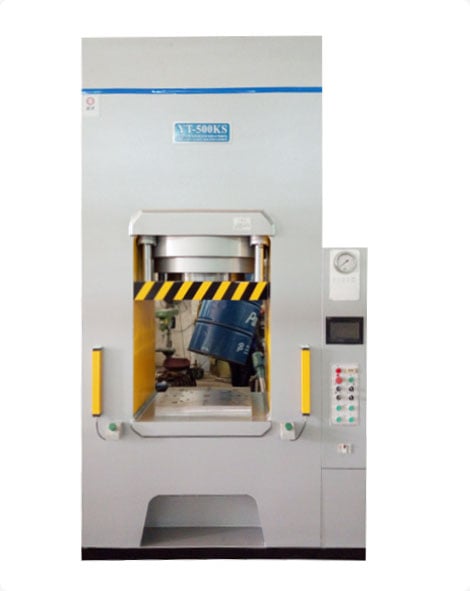
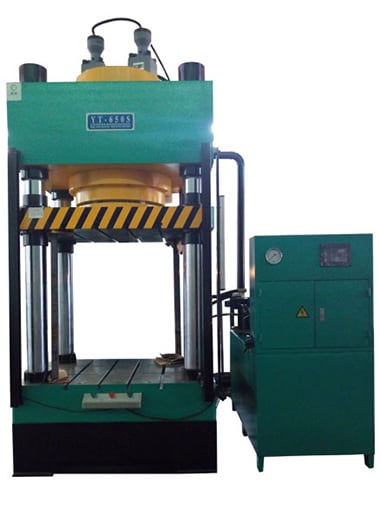
A typical hydraulic shop press typically consists of a large flat pressure plate, cylinder that applies force, electric motor that powers hydraulic system, controls that enable adjustment of pressure, height, and other settings, and an electric motor to power its system.
This 50 ton hydraulic shop press is an ideal tool for installing or removing bearings, gears, U-joints and bushings as well as straightening or bending metal sheets. Featuring a fully welded H-frame design for exceptional strength and durability.
Hydraulic system components include a two-speed pump that operates the ram at slow or fast speeds to suit different applications, pressure gauge, winch system, pressure gauge display, as well as winch to raise or lower work table height. This industrial Redline hydraulic shop press is suitable for manufacturing, auto repair and general mechanical work.
Inspection
Conducting routine inspections on your 50 ton hydraulic press will ensure its optimal operation, from checking for oil leaks, loose bolts or screws and safety precautions, to having employees regularly check and maintain it. Employee inspection and maintenance programs can help guarantee an efficient machine that remains functional as intended.
Motorized hydraulic shop presses are industrial machines used for pressing, bending and stamping metal parts and materials. These presses typically consist of a large flat pressing plate equipped with a hydraulic ram to apply pressure. Common applications for this device are automotive shops, metal fabrication plants and maintenance operations.
Years of use and heavy-duty operation can cause cracks, leaks and other components in mechanical and hydraulic presses to break down over time. Kiefer Tool offers mechanical and hydraulic press repairs and rebuilds for companies across the Midwest, Northeast and parts of Southern United States; we also perform field inspections and equipment pickups.
Link to this article: https://www.ihydraulicpress.com/mk/2837.html
Hot Articles
-
How to Make Hydraulic Presses Yourself
Hydraulic presses are incredible machines capable of crushing items with extraordinary force. While these presses may seem expensive or complex to……
-
Hydraulic Press For Nut Oil Extraction
Hydraulic presses are ideal for pressing high oil crops such as sesame, peanuts, walnut kernel, pine seeds, tea seed and almond. Because these press……
-
How Does the Hydraulic Press Work?
Hydraulic presses are employed for a variety of tasks. Auto manufacturers rely on them to manufacture body panels and brake pads. They’re also……
-
How Do You Use a Hydraulic Jack As a Press?
Hydraulic jacks are indispensable tools that allow users to lift vehicles or objects onto repair platforms for repair work. Their use involves the……
-
The Use of a Hydraulic Press for Compacting Powdered Samples
Hydraulic presses employ a cylinder filled with fluid to raise and apply force through piston elevation, powered by either manual, electric, or pn……
-
Can Diamond Be Broken by Hydraulic Press?
Diamonds are an incredibly hard mineral, often used in engagement and wedding rings due to their strength. However, diamonds are not indestructible.……
-
How to Build a Hydraulic Forging Press Press
Forging presses offer lower production costs per part and less waste compared to forging hammers, while also requiring less skill from their opera……
-
How Many Volts Does a 800 Ton Hydraulic Press Hold?
This hydraulic press is perfect for the weekend blacksmith or full production forging shop, featuring a large table that can be moved easily, and ……
Latest News
-
How to Safely Use a Hydraulic Press
Hydraulic presses are essential in any machine shop, yet can also be dangerous when not used correctly and according to safety protocols. Keep you……
-
How to Make a Hydraulic Press for Knife Making
Presses use mechanical or hydraulic force to plastically deform metal into desired forms. Forging presses employ a flywheel which stores energy to……
-
A Hydraulic Press For Compacting Powdered Samples
A hydraulic press utilizes Pascal’s law to generate compressive force. This pressure is generated by two cylinders: a small slave cylinder and……
-
How to Make Almond Oil With Hydraulic Press
Almonds contain an abundance of oil that can be used for making numerous products. Unfortunately, most almond oil sold commercially has been refin……
-
How to Make a Blacksmith Hydraulic Press
Blacksmiths still rely on the classic hammer and anvil method of deforming hot metal, but with modern technological advancements a blacksmith shop c……
-
What Is Hydraulic Press Made Of?
A hydraulic press is a machine that utilizes hydraulic pressure to shape and deform materials. It consists of three components: the cylinder, piston……
-
How to Make a Homemade Hydraulic Press
Hydraulic presses are essential tools in many manufacturing and production processes. They shape, penetrate, and compress materials such as metals, ……
-
Hydraulic Press for Composite Materials
Hydraulic presses in the composite manufacturing process can offer manufacturers several advantages. These include increased flexibility, lower oper……