









Hot Articles
-
How to Make Hydraulic Presses
Have you ever seen hydraulic presses work their magic and crush materials like kitchen sinks, car bodies and other thin metal shapes? But have you……
-
How Does a Hydraulic Press Make Things Heat Up?
Hydraulic presses are mechanical machines which transfer energy by using liquid pressure as force. They’re versatile machines used for various……
-
How to Make Hydraulic Press Pocket Super-Viral Videos
Video production with hydraulic press pocket can be both thrilling and satisfying, but to avoid negative attention on YouTube it’s essential t……
-
Hydraulic Press Channel – How Much Money Does Hydraulic Press Channel Make?
Hydraulic Press Channel stands out among YouTube channels as an exceptionally interesting channel, featuring videos of an eccentric Finnish host c……
-
How to Make a Hydraulic Press for Knife Making
Hydraulic presses are essential tools for many blacksmiths. They allow them to shape patterned-welded steel billets into eye-catching damascus bla……
-
How to Make a Pizza With a Hydraulic Press
Hand tossing pizza can be quite an arm workout for your staff, which is why having a pizzeria dough press can be so useful. Commercial pizza presses……
-
How Much Does the Hydraulic Press You Tube Channel Make?
The Hydraulic Press Channel is a YouTube sensation featuring Vuohensilta, a Finnish factory owner crushing everyday items with his hydraulic press. ……
-
How to Make a Hydraulic Press Juicer
Hydraulic presses use extreme pressure to extract juice. Fruit and vegetables must first be chopped or ground into a fine mass before being placed……
How to Make a Hydraulic Press
time:2023-12-03 views:(点击 1,420 次)Hydraulic presses are metal-forming machines that utilize hydraulic equivalents of levers to generate immense force, with the ability to apply and control force with great accuracy, enabling it to perform tasks that would be otherwise inaccessible through pneumatic or mechanical means.
Make a simple hydraulic press using a standard bottle jack (the kind used to change car tires). Be sure to wear safety glasses and a blast shield when crushing things!
Frame
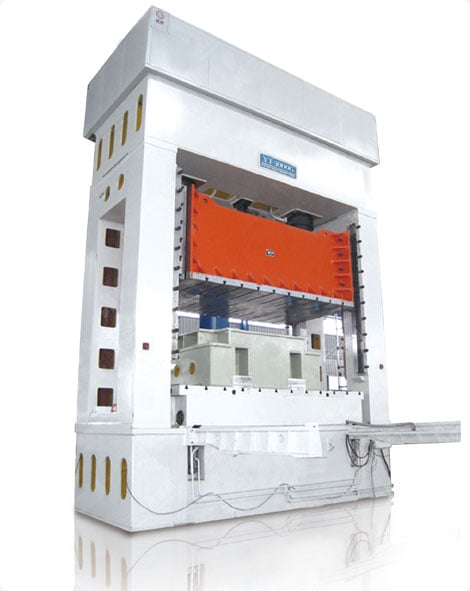
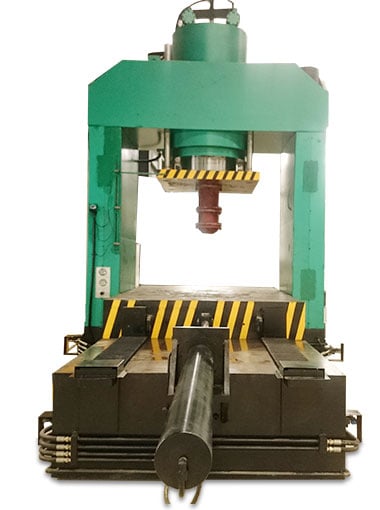
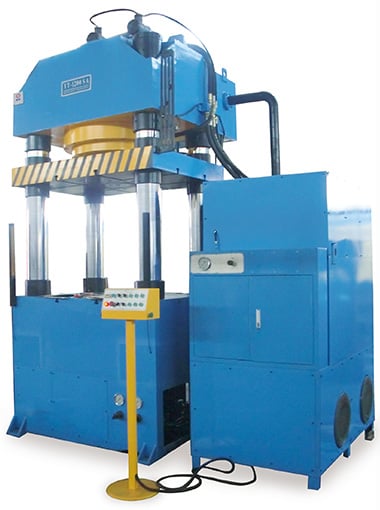
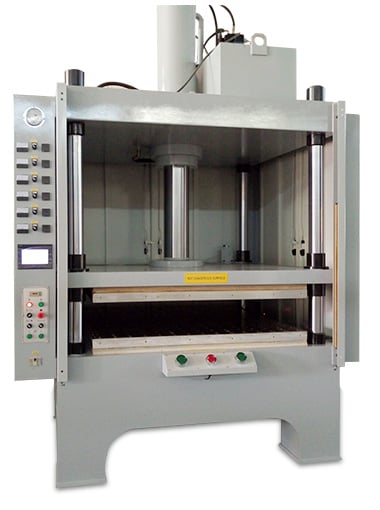
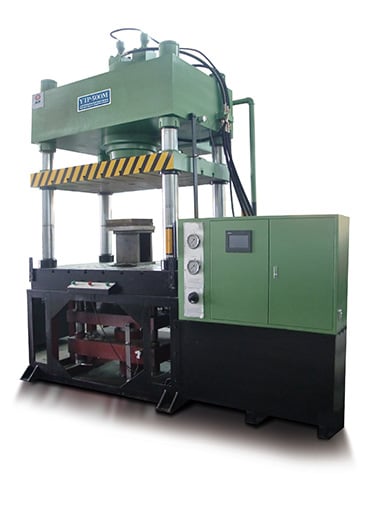
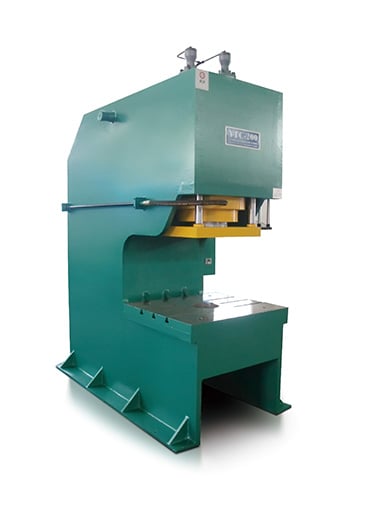
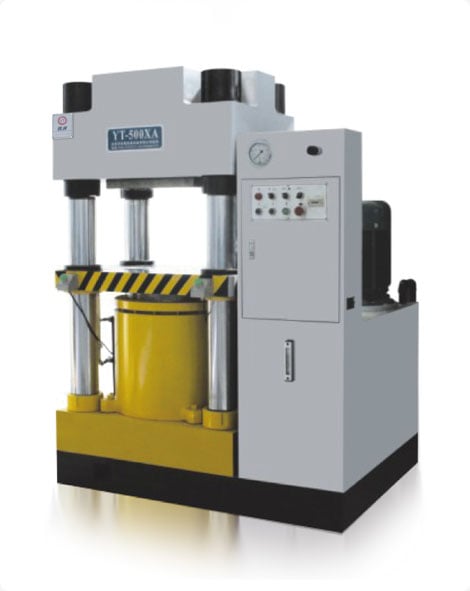
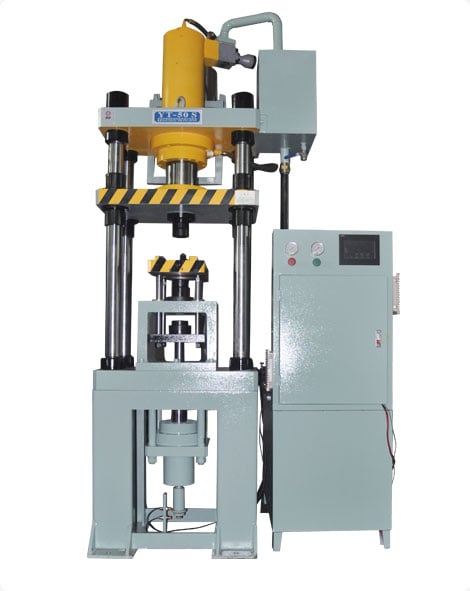
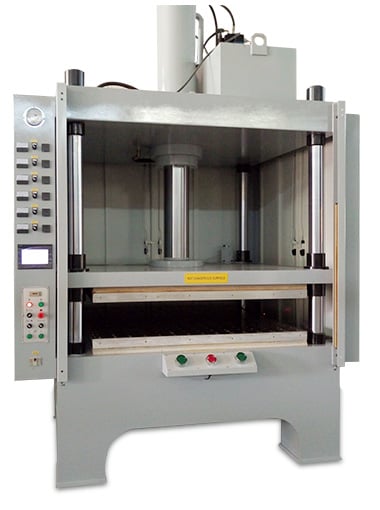
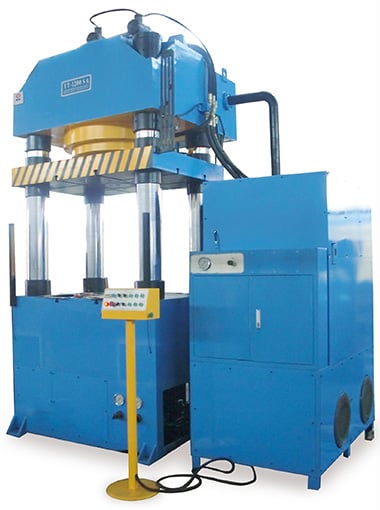
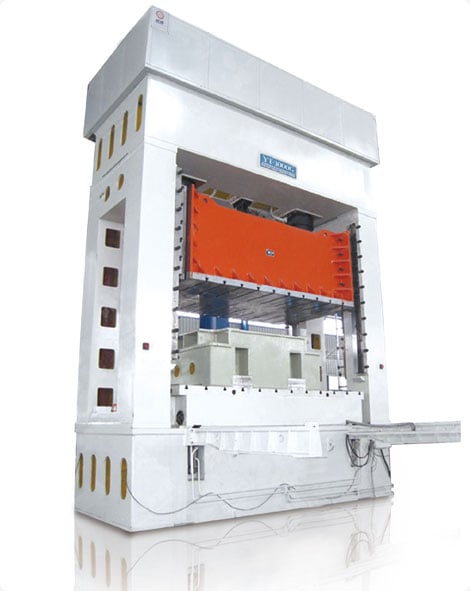
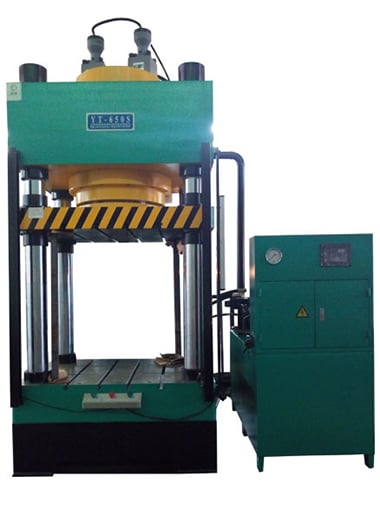
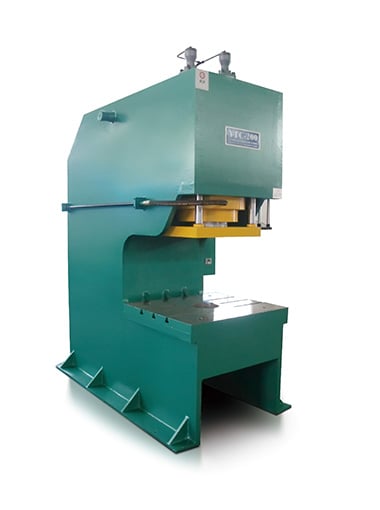
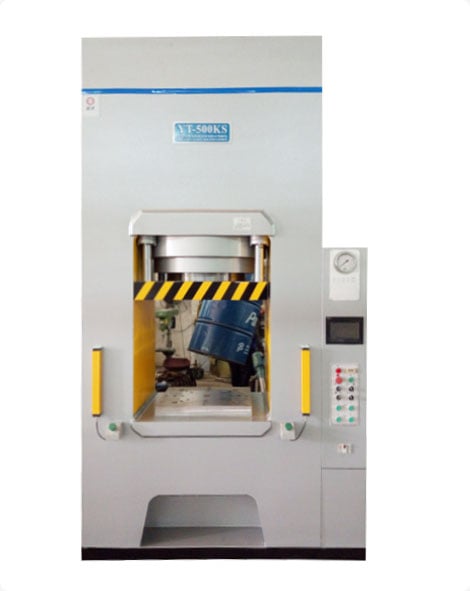
A hydraulic press's frame serves to house its motor, cylinders and other components; typically made from metal. There are multiple different kinds of frames used with hydraulic presses such as C-frame hydraulic presses, H-frame hydraulic presses and four-column presses; each type has its own specific structure that makes them useful in various situations.
Hydraulic presses use metal pipes with two ports that permit input and output of hydraulic fluid, known as cylinders, which create the compressive force that drives an anvil and die. They typically feature double-ended designs with one end larger than the other to increase pressure while also working better with various materials.
Hydraulic presses feature an attached control system, which oversees its operation and allows operators to make various adjustments. Control options may include buttons, switches or touchscreen interfaces that help operate and control pressure; safety features may include overload protection systems.
Frames also serve an integral function: keeping hydraulic presses stable while they work. This is particularly vital when creating press fits using hydraulic pressure - which involve pushing bearings onto shafts without using mechanical fasteners - making press fits an effective form of fastening solution.
Hydraulic presses can be used for an array of tasks, including forming, bending, deep drawing, stamping, punching and blanking. They're also great for piercing coins staking. Many manufacturers employ hydraulic presses because of their ability to produce high amounts of force with precision control - they're great at producing large parts like car bodies too!
Hydraulic presses with movable frames provide an indispensable service, enabling operators to load parts safely from any direction and quickly line up with areas requiring pressing. This saves both time and effort while making the process more effective overall.
Cylinder
Cylinders are essential components of any hydraulic press, and come in various sizes. Made out of steel for maximum pressure handling capacity and portability, cylinders can be found across many applications.
When pushed downward through its cylinder, a piston creates a compression force which can be utilized to crush or cut materials as well as bend or shape metals - making them an excellent tool for jobs requiring large amounts of force and pressure.
There are various kinds of cylinders, each designed for specific tasks. Jack cylinders are one such cylinder found on construction sites. As these smaller hydraulic presses can be lifted manually using hand pumps, they're easy for anyone to operate and can lift up to 50 tonnes when combined with smaller equipment like jacks and hand pumps.
Cylinders come in various diameters to meet various tasks. A larger cylinder may be ideal for performing deep draws and shell reductions while smaller models may be utilized for tasks like forming, blanking, piercing and pressing.
Cylinders come in either single-acting or double-acting varieties. Which type is right for any given application will depend on its stroke length requirement, which in turn dictates rod buckling strength and bearing loads. Cylinder designs take several factors into consideration when choosing materials for seals such as high temperature resistant materials that won't melt; while for underwater usage cylinders that need seals that won't become vulnerable to corrosion are an ideal option.
Cylinders offer another advantageous feature - sensors can be fitted into them to measure pressure exerted upon them and this information can help optimize machine performance by monitoring trends and adapting accordingly. Sensors are especially beneficial when used within automated systems or heavy mobile equipment.
Pump
The hydraulic press is an impressive machine capable of creating immense force. Yet its operation remains easy to comprehend: Pascal's principle of fluid pressure governs it all. At its heart lies a piston moving up and down inside an enormous cylinder filled with liquid (typically oil) connected via valves - this system makes up its heart of operation, giving rise to powerful hydraulic presses.
There are various kinds of hydraulic presses to meet any individual need, with C-frame hydraulic presses taking up less floor space and being operated both manually or automatically - making them perfect for forging, clinching, molding, blanking punching and deep drawing operations.
Multi-cylinder hydraulic presses are an excellent choice for metal forming applications, offering more precise control of force applied to workpieces. Available capacities range from 25 tons up to 200 tons for these multi-cylinder models.
Multi-cylinder hydraulic presses feature two cylinders; one features a larger diameter for carrying the ram while the other holds the plunger. A hydraulic accumulator is then installed between these cylinders and their respective pumps to create thrust force.
Hydraulic systems consist of more than just cylinders and hydraulic accumulators; in addition to pump, valves and hoses. The pump supplies hydraulic fluid to both rams and cylinders via valves in order to maintain constant pressure throughout the system.
Piston pumps are the most widely used type of hydraulic pump. Their pistons compress and decompress hydraulic fluid, producing high pressure during half of each cycle. When under compression, pistons expand cylinder volume by pushing more of it in through its inlet port into the inlet port; this increases volumetric flow within the cylinder which in turn pushes hydraulic pressure onto ram, anvil and die.
Pressure can be adjusted by switching up pump types, which creates either more or less power. Hand-operated presses may require manual pumping of force for accurate force adjustment while electric and air pumps offer more consistent, even pressure distribution that enables operators to set up once and complete multiple tasks without manually adjusting press pressure and alignment.
Pneumatics
Pneumatics is an energy-converter technology that uses pressurized air to transmit power and movement. As opposed to electrical machines which rely on flammable fuel sources such as gasoline or diesel, pneumatic systems use ordinary atmospheric air which is then pumped through cylinders before compressed inert gas or oil is added as an antidote against overheating of the system.
Pneumatic power can be seen everywhere from industrial machinery and automotive vehicles, construction equipment and medical applications - to even automatic doors at city bus stops that open and close with one push of a button! Pneumatics is widely utilized throughout society from industry machinery to automobiles, construction equipment and medical procedures - not forgetting even their use at city bus stops! Pneumatic power is ubiquitous: used everywhere from industrial machinery, automotive vehicles and medical procedures. You're sure to see pneumatics being utilized everywhere from industry machinery and automotive systems to medical procedures! No doubt you've seen pneumatic equipment on streets or medical procedures - you must've seen pneumatics being utilized at least some point! Pneumatics is everywhere - even automatic doors at bus stops likely utilize pneumatics so their opening/closing at once!
Pneumatics go beyond simply turning pressure into linear movement; they also utilize components like cylinder pistons and pneumatic motors to produce rotary movement. A cylinder piston can produce either rectilinear or rotary movement depending on its design; it may either be single-acting cylinder or double-acting. A single-acting cylinder only has one entrance through which compressed air enters, while double-acting cylinders offer two entryways through which this airflow occurs.
A centrally located compressor provides pressurized air that powers pneumatic devices such as cylinders, air motors and other pneumatic cylinders. Filtered compressed air is then added with small amounts of oil added for corrosion prevention and mechanical component lubrication purposes.
Control valves are essential components of any pneumatics system, enabling users to manually or automatically switch between cylinder modes - this ensures optimal performance of the machine, as well as protecting it against accidental release of pressure. Furthermore, any sign of air leakage must be addressed quickly.
An essential component of a pneumatic system is the tubing that connects between the cylinder and all necessary parts of a machine. Tubing must be carefully selected and installed for proper functioning; its size must suit its intended function in terms of diameter (corresponding with the size of components such as the cylinder) as well as length; shorter tube lengths help minimize air consumption per cycle thus keeping costs to a minimum for such systems.
Link to this article: https://www.ihydraulicpress.com/nsn/5652.html
Hot Articles
-
How to Make a Small Electric Hydraulic Press
Hydraulic presses can be invaluable tools, but they can also be costly and take up significant space in a workshop. This article will show you how……
-
How to Make Manual Hydraulic Press
When mallets or hammers won’t do the trick, hydraulic presses may be your go-to solution. These powerful workshop machines can apply an imme……
-
What Can I Make With a Hydraulic Press?
Hydraulic presses are indispensable tools in nearly all large scale industries and workshops often boast their own c-frame hydraulic press for use……
-
How to Make a Hydraulic Press for Forging
Hydraulic presses play an integral part in many manufacturing and production processes, used to shape, form, and fabricate various machine parts. ……
-
How to Make a Hydraulic Fruit Press
Due to the significant forces required for use, an ideal press should be constructed of wood that can withstand this pressure. Avoid nails or scre……
-
How to Make a Small Hydraulic Hash Press
Pressing plant product and hash into a portable hydraulic rosin press can be an easy DIY project for any fan of solventless extract. All it requir……
-
How Can Make a Small Hydraulic Hot Press?
Hydraulic presses feature minimal moving parts that are fully submerged in pressurized hydraulic oil for reduced maintenance costs and maximum uptim……
-
How to Make a Wooden Hydraulic Press Bed
Hydraulic presses can be invaluable tools in wood working. However, these expensive pieces of machinery may require considerable work or expense to ……
Latest News
-
How to Make Simple Hydraulic Press Frames
Hydraulic presses generate tremendous force, making them suitable for an array of uses across industries. Hydraulic presses are widely employed to……
-
How to Make Electric Hydraulic Press
Hydraulic presses are effective and versatile metal forming machines, capable of applying force and pressure to even the hardest materials without……
-
what is a C Frame Hydraulic Press
what is a C Frame Hydraulic Press C frame hydraulic presses are versatile metalworking tools that form a “C” shape around their bolster ……
-
How Much Pressure Should a Hydraulic Press Have?
Pounds per square inch (psi) is used to measure the force exerted by a hydraulic press, following Pascal’s Law that states any force exerted……
-
How Much Pressure Should a Hydraulic Press Have?
Hydraulic presses rely on Pascal’s law to effectively harness large amounts of force over short distances. They utilize two components ̵……
-
How to Make a Tabletop Hydraulic Press
Hydraulic presses utilize hydraulic fluid to apply pressure, often used to extract pins, bearings and other items from their housings. Hydraulic pre……
-
How to Make a Hydraulic Briquette Press
Briquetting equipment can save both money and energy by making use of waste materials to save energy costs, as well as helping reduce deforestatio……
-
How Much Does the Hydraulic Press YouTube Channel Make?
If you’ve spent any time browsing YouTube, chances are good you have seen videos featuring the destruction caused by hydraulic presses. This……