











Hot Articles
-
How Much Force Does a Hydraulic Press Exert?
Hydraulic presses utilize fluid pressure to generate massive amounts of force, making them perfect for industrial use. Their force output depends on……
-
How to Make a Hydraulic Press Juicer
Hydraulic juicers use hydraulic presses to rapidly crush and press fruits and vegetables for extraction of juice with minimal heat, thus preservin……
-
How to Make a Hydraulic Press Machine
Hydraulic presses are machines that utilize compressed fluid to apply force. They’re commonly found across a range of manufacturing and prod……
-
How to Make a Hydraulic Forging Press
Forging is a method of metalworking which uses pressure to shape metal pieces by applying direct force onto them. This differs from using a hammer-a……
-
How to Make a Tabletop Hydraulic Press
There is an assortment of power presses to meet every imaginable need, ranging from tabletop hydraulic models for laboratories to massive ones that ……
-
How Can Make a Small Hydraulic Hot Press?
Hydraulic presses use fluid pressure to compress, assemble, punch, trim, stamp, and stretch materials – offering limitless engineering possibi……
-
How to Make a Hydraulic Press Juicer
Hydraulic press juicers are specialized juicing machines that employ hydraulic pressure to extract juice from raw produce. There are various model……
-
How Much Does the Hydraulic Press You Tube Channel Make?
The Hydraulic Press Channel has become one of the YouTube’s greatest success stories, amassing millions of fans through everyday objects being……
How to Make a Mini Hydraulic Press Machine
time:2023-07-04 views:(点击 1,102 次)
A hydraulic press is a type of machine that employs pressure to deform materials. It can be used to crush metal objects or mold materials into different shapes. Furthermore, this press can also make stamps or forge metal parts.
Hydraulic systems abide by Pascal's Principle, in which pressure remains constant within an enclosed system. This pressure is transferred through two pistons and compresses anything placed between them.
Frame
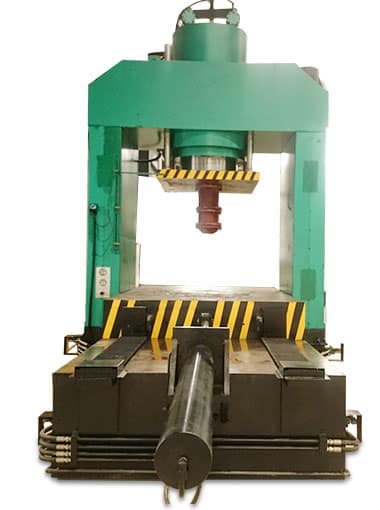
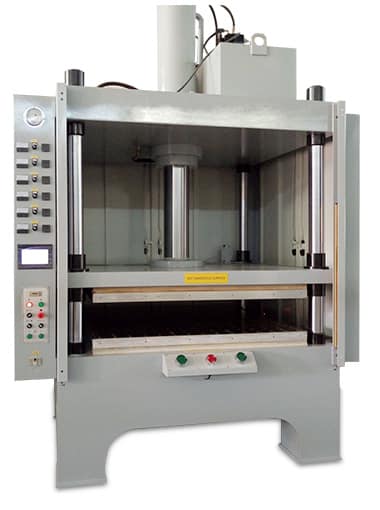
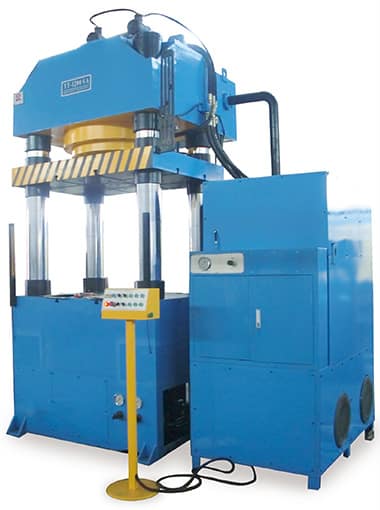
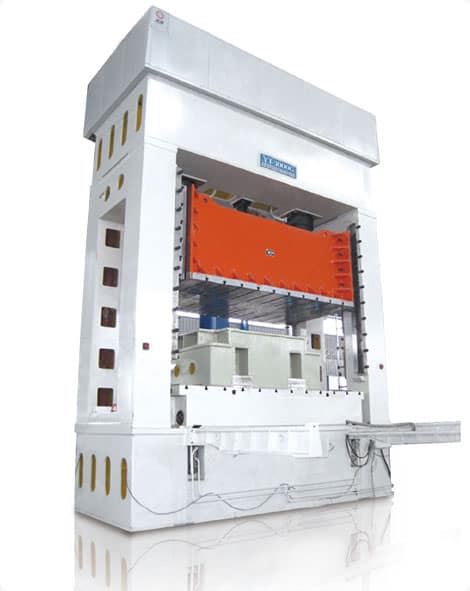
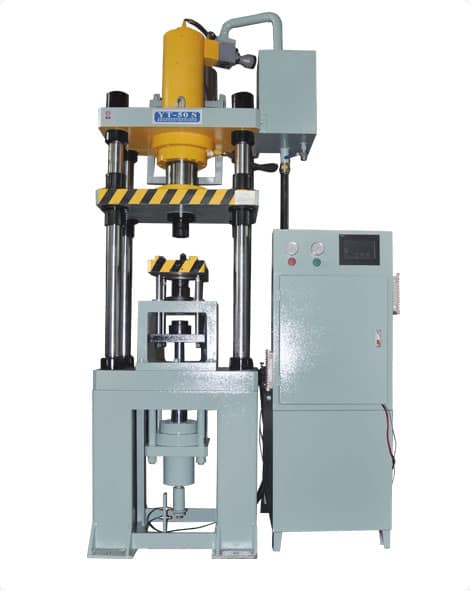
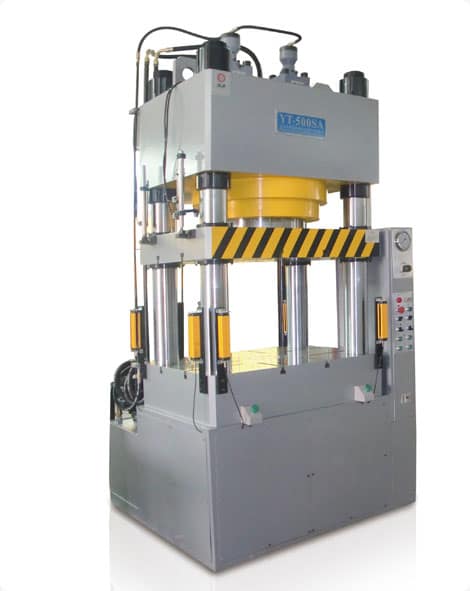
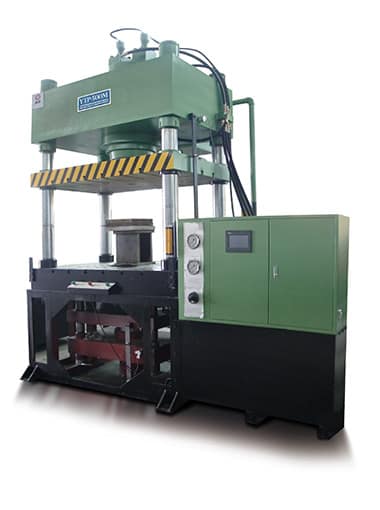
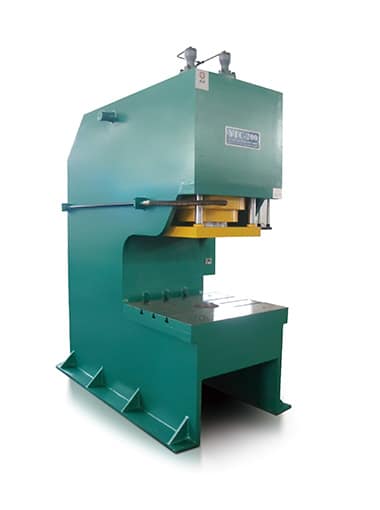
A hydraulic press machine's frame serves as its foundation. There are various kinds of frames depending on intended use and maximum pressure capacity; some frames may need to be fixed on certain surfaces while others can be moved around easily if necessary. H-frames with sturdy steel bases that hold two cylinders are a popular choice when large projects require precision and symmetry in design.
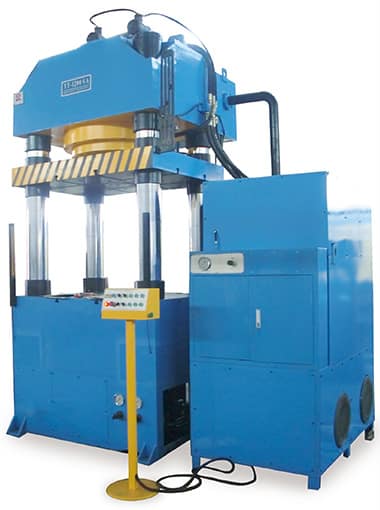
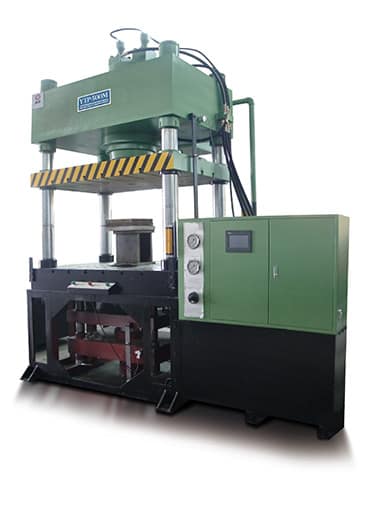
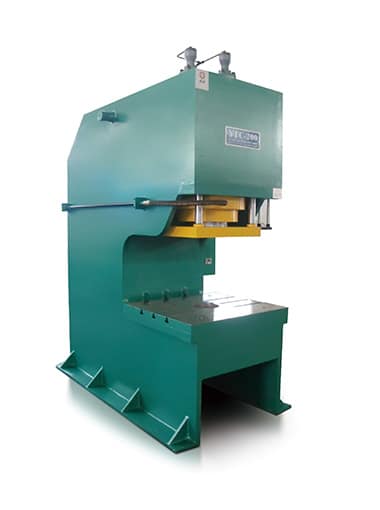
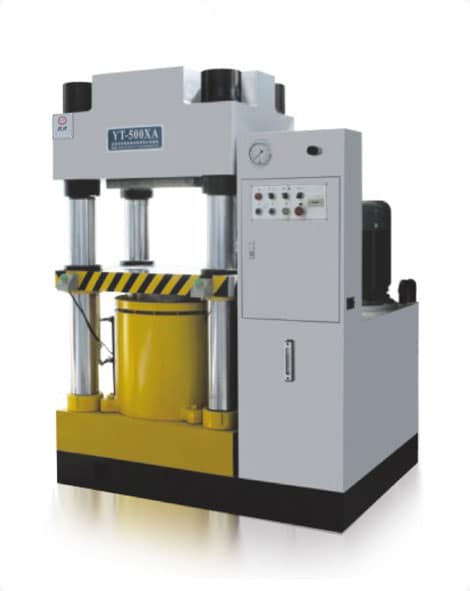
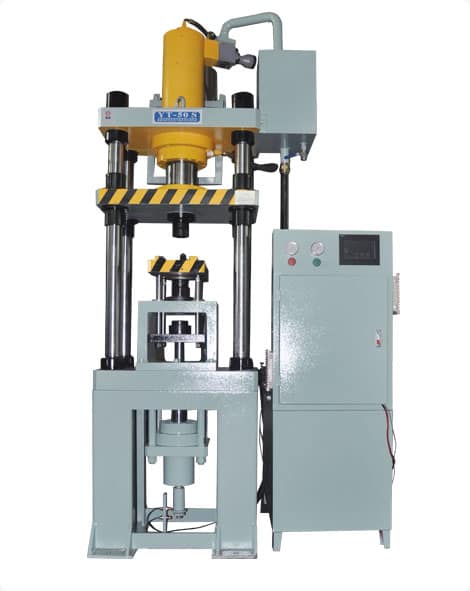
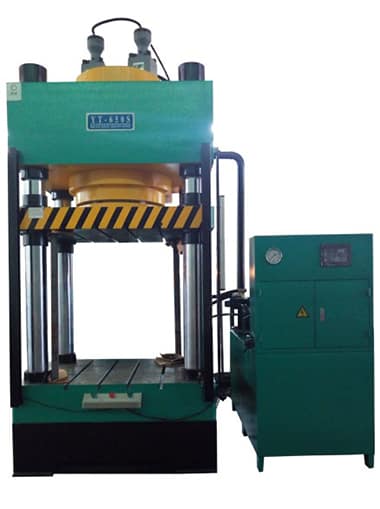
C-frames are smaller frames designed to be mounted onto tables or benches, making them an excellent option for projects requiring mobility. Furthermore, 4-post presses offer one of the strongest hydraulic presses available - they can support up to 200 tons of force while offering multiple smaller rams which provide an increased amount of thrust than larger presses.
Hydraulic presses are user-friendly machines with built-in overload protection, making them simple to operate and less likely to damage tools because they do not vibrate or make too much noise - perfect for applications requiring quiet working environments.
Hydraulic presses must abide by various safety standards in order to be both reliable and safe for their users. Most are set by OSHA, an American National Standards Institute-affiliated government body focused on worker safety; other groups including ANSI and ISO also establish specific guidelines.
For any hydraulic press to function safely and effectively, its parts must include the appropriate ones: cylinder, piston rod and hydraulic system. The cylinder converts the fluid power generated from the hydraulic system into kinetic energy that drives its ram; while its hydraulic system stores oil in tanks before transporting it through pipes to its piston rod on the cylinder.
When activated, the ram's piston moves down and pushes on an anvil, compressing materials that can bend and form them to create powerful forces that transfer to platens via hydraulic system.
Cylinder
A cylinder is one of the fundamental three-dimensional shapes, consisting of two parallel circular bases separated by an undulating surface and featuring two circular bases in parallel with each other and connected by a curved surface. It's an easily recognized geometric figure seen everywhere from toilet paper rolls and cold drink cans to Leaning Tower of Pisa and cold drink containers. Cylinders have also found application in aerospace engineering as well as automotive design; its rounded surface makes an excellent material for molding and extrusion processes.
A cylinder stands out among 3-D shapes by featuring two circular faces and no straight lines, distinguishing it from cones, cubes, and cuboids. When seen from above it looks similar to a circle while when seen from below it resembles a rectangle; construction of this unique form involves folding an inscribed rectangle along its length and then closing up its rolled structure before rolling a sheet of metal into an empty tube cylinder can also produce this unique structure.
There are various methods of calculating the surface area of a cylinder, but one of the most accurate ways is through applying the double-pi formula. This involves multiplying each base radius times height then dividing by 2, with this result giving you total surface area for that cylinder.
Use the formula "r + h", where r is the radius of base and "h" represents height of cylinder. This formula will give you both its surface area as well as volume.
If you are curious to gain more knowledge about cylinders, there are numerous resources online that can assist with learning more about them. Some examples include a tutorial which details step-by-step processes for making them from cardboard as well as videos detailing each process step by step. You'll also find numerous free worksheets and calculators which allow you to calculate surface area calculations of these cylindrical objects.
A cylinder is an irregular geometric figure composed of two circular bases connected by a curved surface. Their centers overlap, and this line segment serves as the axis for this geometric form. Cylinders can be found used for holding fluids such as oil and water; additionally they are also found used for manufacturing purposes including pipes and machinery production.
Pressure Relief Valve
Pressure relief valves (also referred to as safety relief or safety valves) are reliable devices used to safeguard against overpressure. Opening at pre-set pressure levels, they discharge fluid until internal system pressure returns to acceptable levels - these devices play an essential role in many processes to ensure an overload doesn't damage seals or cause explosions.
A pressure relief valve's most popular design relies on compression of a spring against diaphragm or piston to keep it open. If line pressure exceeds its set point of the valve, its spring force lifts its disc to divert flow either directly through its outlet port or directly to atmosphere depending on configuration - then closes again once pressure returns below its setpoint value.
It's crucial when selecting a pressure relief valve, particularly in applications involving hazardous or flammable fluids, that it consider the chemical properties of the fluid being used and be compatible with its chemical constituents. Furthermore, any chosen elastomer must function effectively across its intended operating temperature range.
As part of any application, it's also crucial that the pressure relief valve you select has the appropriate flow capacity for your needs. An inappropriately small pressure relief valve could lead to unnecessarily high system pressures while one that's too large would not properly vent media. Utilizing a pressure flow chart or following manufacturer guidelines will assist in selecting an ideal pressure relief valve for you application.
If your application requires multiple pressure relief valves, it is wise to stagger their set points so as to activate only one relief valve at any one time. Ideally, the maximum allowable working pressure of your pressure tank should be significantly less than each pressure relief valve's maximum allowable working pressure.
Consideration should also be given to your piping system's backpressure build-up. After opening a PRV, additional pressure builds in its downstream pipes - known as superimposed backpressure; it adds additional strain on your piping system in addition to what was originally set by the valve.
Piston
The piston is the moving component in a hydraulic press that transmits mechanical force between its two cylinders. It consists of a lubricated sliding shaft which fits tightly inside its respective cylinder opening, and may be used to change volume enclosed by cylinder, exert pressure on fluid, cover/uncover ports or all these tasks simultaneously.
Pistons can be manufactured either through casting or forging processes. A cast piston involves heating an alloy until it becomes liquid, then pouring it into a mold; while forging involves heating it until it becomes hot before shaping in a die. Both methods produce complex shapes which require careful design to avoid becoming damaged or deformed during operation.
A piston is also equipped with rings to seal its combustion and working chambers in relation to its crankcase, dissipate heat generated during combustion to the running surface of its cylinder liner, guide it, prevent side pressure on its rings and distribute thrust load evenly across all of its surface area.
As the piston moves down, intake valves open to admit air and fuel; while exhaust valves close and burnt gases are expelled out of the cylinder. At the bottom of its stroke, however, the piston returns back up towards BDC, signaling another cycle to begin.
The connecting rod links the piston to its supporting bearings. Constructed of steel, it pivots on a pin known as a wrist pin or gudgeon pin for easy pivoting action. Pistons with moving connecting rods feature an internal passage from their heads to a drilled hole on their skirts where the passage passes up the big end of connecting rods; additionally, its curved running surface reduces friction against cylinder walls.
The piston is also equipped with a series of ring grooves to securely house its piston ring. These grooves are deeper than usual to provide consistent lubrication during operation and create a wedge effect to optimize oil distribution across its surfaces, such as cylinder walls and piston rings, eliminating any potential for breakdown in oil film formation while limiting any excessive side-to-side movement of the piston during its operations.
Link to this article: https://www.ihydraulicpress.com/nsn/3924.html
Hot Articles
-
How to Make a Wooden Hydraulic Press
Woodworkers who lack an expensive hydraulic press can still create an effective homemade wooden press that provides adequate pressure for bonding bo……
-
Hydraulic Press YouTube Channel
Lauri Vuohensilta owns and operates a factory in Finland and decided to experiment with his hydraulic press on everyday objects, creating videos sho……
-
How Much Force Does a Hydraulic Press Exert?
Hydraulic presses rely on Pascal’s Principle to generate immense force, as this principle states that pressure applied to one part of a cyli……
-
How to Make a Powerful Hydraulic Press
There are various types of hydraulic presses you can select from, including H-frame presses, C-frame presses and portapower presses. H-frame press……
-
Hydraulic Press Channel – How Much Does the Hydraulic Press You Tube Channel Make?
The Hydraulic Press Channel is a YouTube channel dedicated to crushing things with hydraulic presses. Founded by Finnish workshop owner Lauri Vuohen……
-
How to Make Hydraulic Press Substitute
Hydraulic presses play an integral part in metal forming projects. They’re used for everything from extracting bearings and compressing part……
-
How Much Force in Hydraulic Press?
Metalworkers rely on hydraulic presses for various industrial processes, such as pressing, shearing, clinching, crimping and flaring. These powerf……
-
Does Hydraulic Press Make Things Heat Up?
Hydraulic presses produce tremendous force, making them ideal for shaping metal components and other materials into shapes that require pressuring……
Latest News
-
Rosin – How to Make Dabs With Hydraulic Press
Rosin is an environmentally-friendly cannabis extraction method created through pressing terpene-rich resin from flower or kief using a rosin press,……
-
How to Make a Small Electric Hydraulic Press
Electric hydraulic presses utilize liquid pressure to produce significant mechanical force. As such, they are an essential tool in fabrication, as……
-
How to Make a Coin Using a Hydraulic Press
There are various methods for producing coins, but one of the more efficient techniques involves using a hydraulic press. This technique allows you ……
-
Can You Make a Diamond With a Hydraulic Press?
A hydraulic press is a machine that utilizes high amounts of pressure to compress materials, such as metal sheets. It is frequently found in junkyar……
-
How Much Force Can a Hydraulic Press Produce?
Hydraulic presses are machines that utilize hydraulics to magnify force, making them suitable for various industrial applications. Pascal’s la……
-
How Much Does a 50000 Ton Hydraulic Press Cost?
Hydraulic presses have revolutionized manufacturing industries for years. Their powerful hydraulic forces enable processes that require extreme forc……
-
Can You Make a Manual Press Into a Hydraulic Press?
A hydraulic press is a machine that employs Pascal’s Law to magnify force applied on fluid within an enclosure. It consists of a metal frame……
-
How to Make a Pizza With a Hydraulic Press
Hand tossing pizza can be quite an arm workout for your staff, which is why having a pizzeria dough press can be so useful. Commercial pizza presses……