










Hot Articles
-
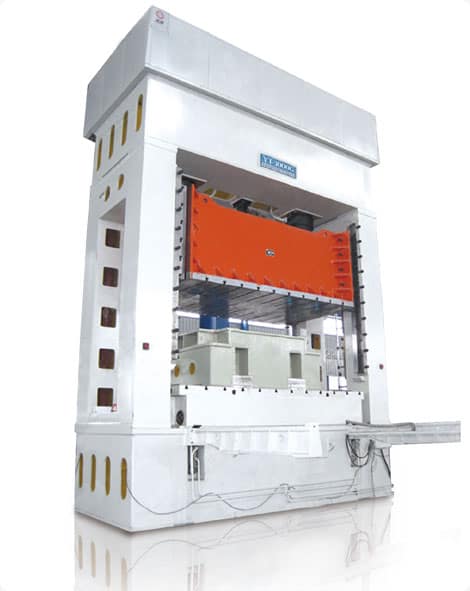
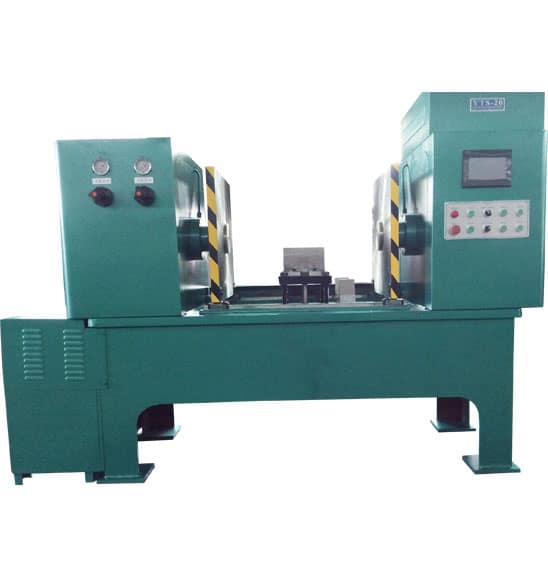
What is a Hydraulic Forging Press?
Hydraulic forging presses utilize liquid pressure to form and shape metal, and they can be employed for many tasks such as forging and cold working.……
-
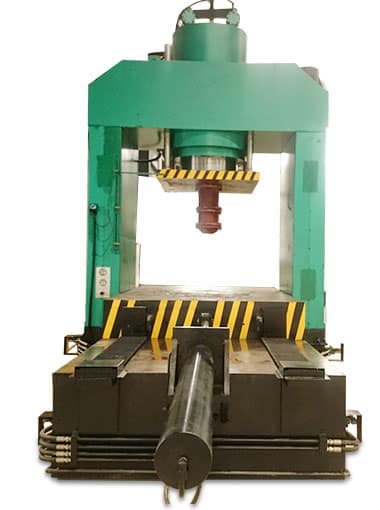
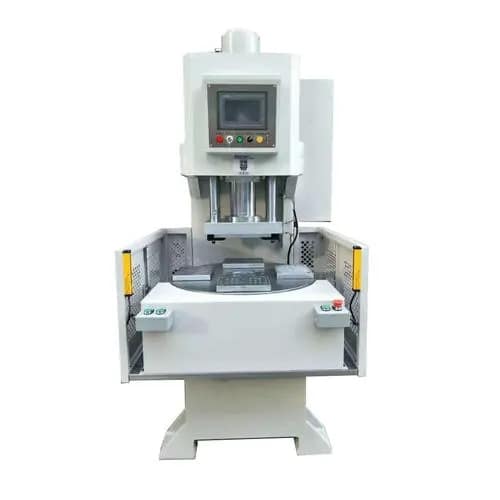
What is a Hydraulic Stamping Press?
Hydraulic presses are specialized metal stamping machines, capable of stamping sheet metal, copper and stainless steel into stamped parts. This heav……
-
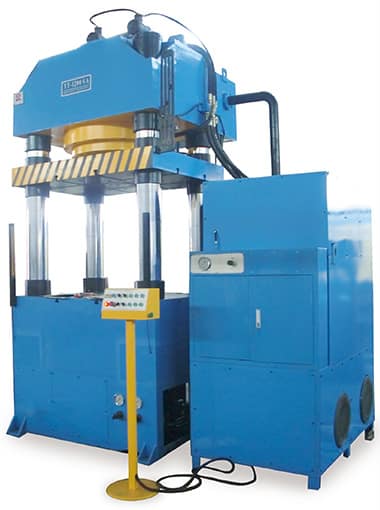
Hydraulic Press Vs Arbor Press
Hydraulic presses are a versatile tool that can be employed for various tasks. They operate by applying pressure from a pump to extend the press cyl……
-
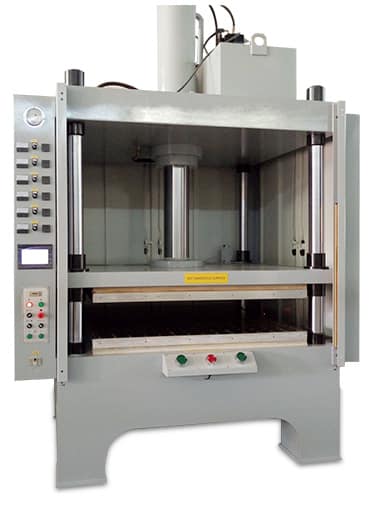
What Is a Hydraulic Press Machine?
Hydraulic press machines use forceful compression of materials to compress them. They can be useful tools in many industrial settings, including p……
-
Hydraulic Press Juicer
Juicing is an excellent way to provide your body with essential vitamins and nutrients, aid bowel cleansing and potentially prevent many diseases.……
-
Who Invented the Hydraulic Press?
British inventor Joseph Bramah first created the hydraulic press in 1795 and patently protected it the same year. The press works by using a plunger……
-
How Do You Calculate Tonnage for a Hydraulic Press?
Hydraulic presses are highly productive forming tools, capable of exerting thousands of pounds of pressure. Hydraulic presses offer versatility and ……
-
Where to Buy Hydraulic Press
A hydraulic press is a type of shop tool that uses fluid pressure to form and modify metal objects. These presses use working cylinders filled with ……
What Does Hydraulic Press Do?
time:2023-06-05 views:(点击 1,308 次)Hydraulic presses play an essential part in numerous fabrication and production processes, from car crushing to producing fat-free cocoa powder. They enable facilities to fit, bend and assemble parts more precisely while producing metal sheets, shapes and bearings of various sizes and shapes.
Hydraulic presses derive their power from hydraulic fluid, typically oil. By altering pump types to alter pressure levels and produce different output force outputs, hydraulic presses can generate and transfer power more effectively.
What is a Hydraulic Press?
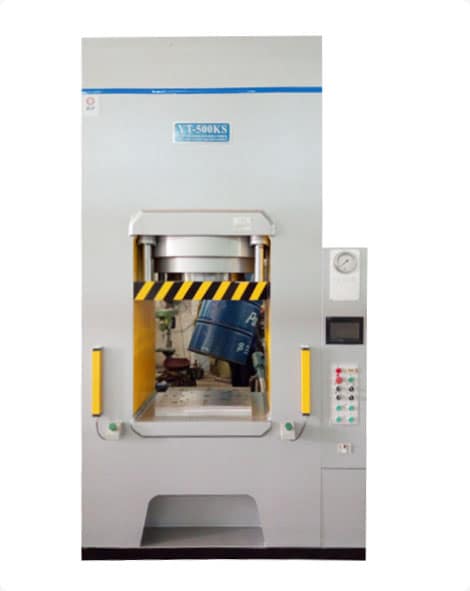
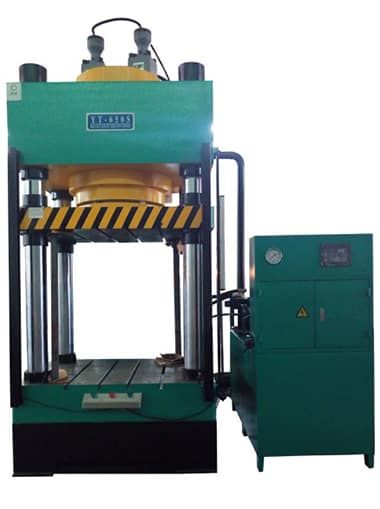
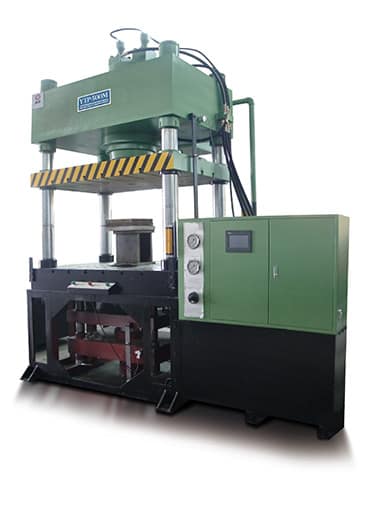
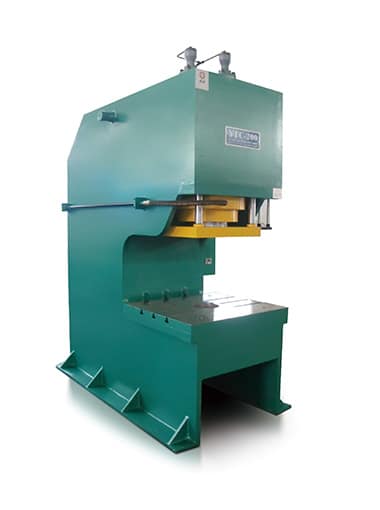
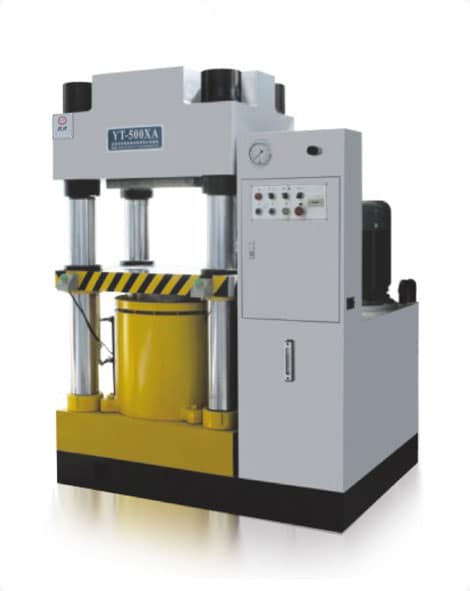
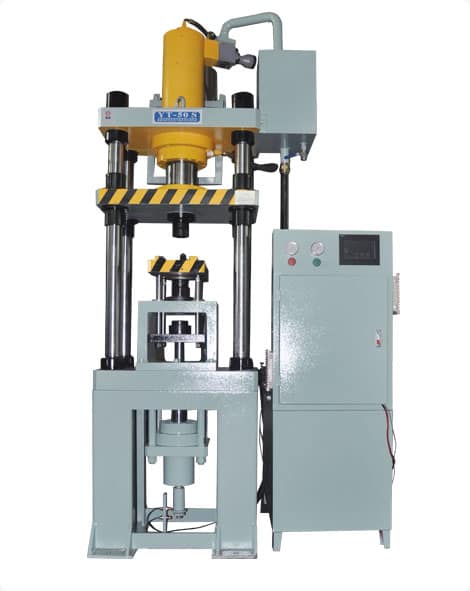
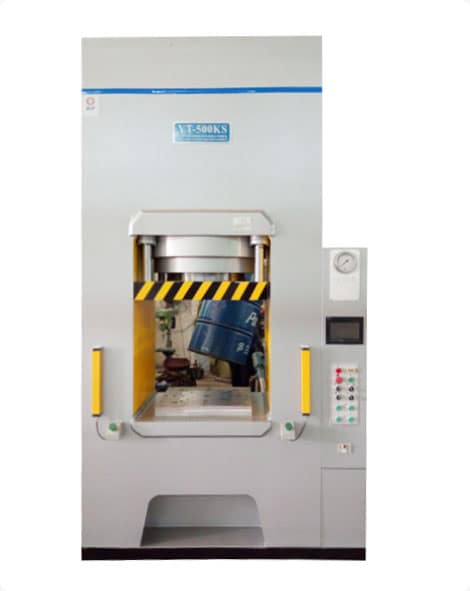
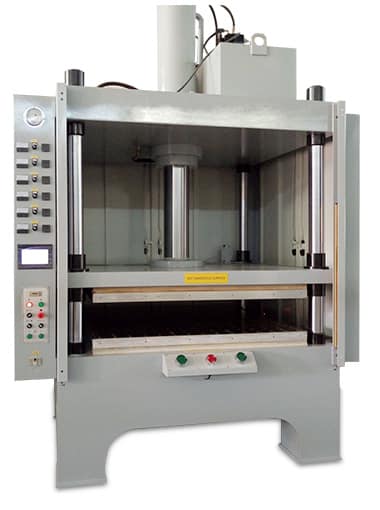
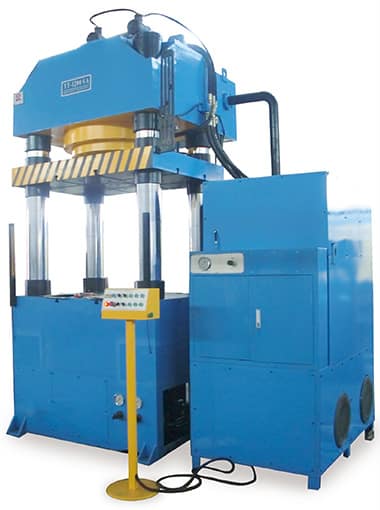
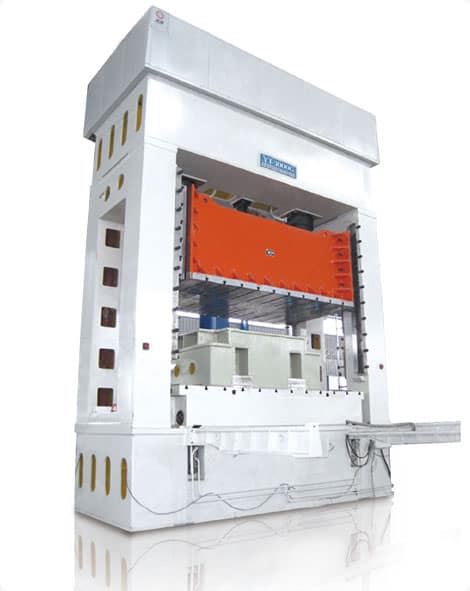
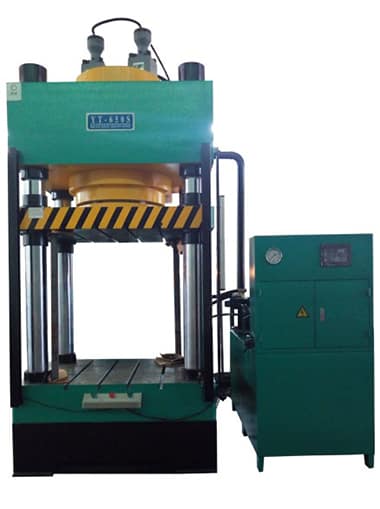
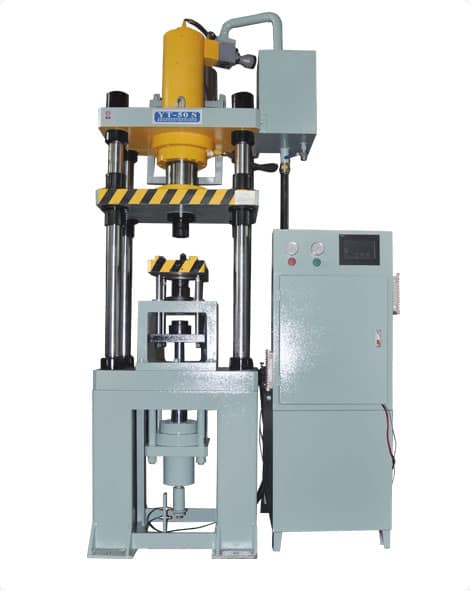
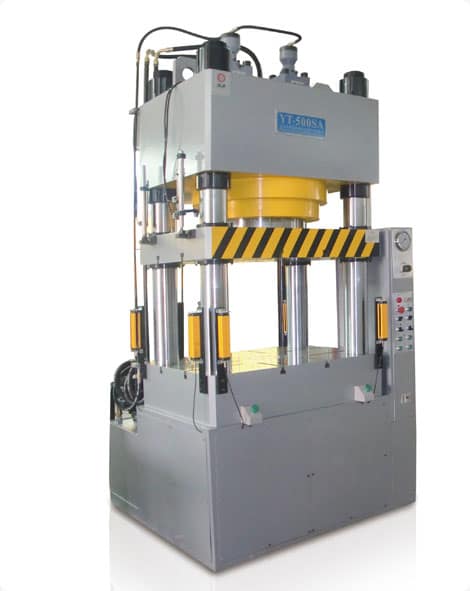
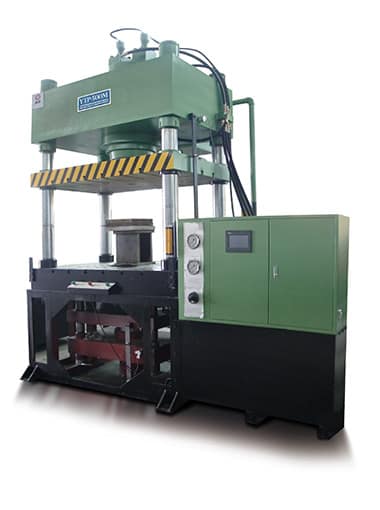
Hydraulic presses are large mechanical machines that utilize hydraulic pressure to exert force on objects, typically consisting of a steel frame, press cylinder and pump in an "H" configuration. A hydraulic press can be used to punch, shear, form or bend metal products as well as fabricate metal parts and tools; also stamp and coin metal objects for coinage purposes. There are various types of hydraulic presses to meet specific industry requirements including arbor presses (used for piercing holes into metal products for stamping purposes), C-frame presses H-frame presses and pneumatic presses - each capable of punching holes into metals), C-frame presses/H frame presses/air compressed presss etc - that are used both within workshops as well as manufacturing facilities worldwide.
The hydraulic press works by employing Pascal's Principle to generate large amounts of force. It features two cylinders - one larger and carrying the ram and another smaller with piston. Hydraulic fluid from its master cylinder is transferred via valves and piston rod to its slave cylinder whereupon its ram can be raised or lowered to crush materials between two pressing plates.
When the ram is lowered, it creates a vacuum between its plate and workpiece that is then compressed by its piston rod and applied evenly across its entire surface. Typically, this pressure applies evenly and consistently across flat pieces of metal such as sheets or strips of metal that the piston rod presses against.
To maintain consistent pressure, the ram and piston rod are connected to a shaft which is driven by a hydraulic pump - this pump may be manual, pneumatic, or electric depending on your application and press size - creating a fixed pressure that determines force (typically measured in tons).
Hydraulic press machines offer tremendous versatility when it comes to production or assembly operations, from die changes, pressure adjustments, stroke speed adjustments and process positioning to die, pressure, stroke speed changes or process position modifications. This enables businesses to maximize use and decrease operating space needs with this versatile equipment.
How Does a Hydraulic Press Work?
Hydraulic presses use an intricate system of pipes, cylinders, and hydraulic fluid to generate and transfer massive amounts of force. Oil is held under pressure in one of the cylinders by a pump that when activated forces the fluid through smaller pistons into larger ones to generate mechanical force.
Hydraulic cylinders apply the force they create to workpieces to shape and compress them to various shapes and sizes, such as sheet metal or plastic sheets. The hydraulic system can then be adjusted accordingly in order to achieve desired amounts of force depending on which material being compressed - such as sheet metal or plastic sheets.
Numerous types of hydraulic presses are available for various uses, including sheet metal fabrication and stamping. H-frame hydraulic presses, C-frame hydraulic presses, and double cylinder hydraulic presses are among the more commonly seen hydraulic presses.
All hydraulic presses utilise Pascal's law to convert mechanical energy into hydraulic energy that can then be transferred into a cylinder and used to exert immense amounts of pressure onto whatever they're pressing. Their hydraulic systems also ensure that pressure is evenly applied over an area, so as not to damage or deform workpieces in unexpected places.
Operating a hydraulic press typically involves switching on and setting your desired pressure setting using controls attached to hydraulic cylinders, then activating a piston within each hydraulic cylinder until pressing is complete and desired results have been reached. This process should continue until desired result has been reached.
Note that only experienced personnel should operate a hydraulic system. There are various safety precautions to keep in mind when using a hydraulic press, including switching off power and closing its safety door before starting any operation. Furthermore, operators should always avoid touching any moving parts while the machine is moving to avoid injury or damaging its parts.
What Are the Different Types of Hydraulic Presses?
Hydraulic presses serve many different functions; some are used for molding plastics and composite materials while others can form concrete and compress soil in construction projects. Manufacturing applications might even make use of them - which type is best depends on your pressure needs as well as material size requirements.
Hydraulic presses typically consist of two cylinders filled with hydraulic fluid. One of these cylinders contains the hydraulic ram that applies pressure to material being pressed, while a pump provides hydraulic fluid pressure to drive it and exert its specific force against workpiece.
These machines are used to cut, bend, form, draw, punch, coin or pierce metal. Additionally, they compress materials like clay or ceramics before being compressed with another machine. While often employed for creating ceramics products themselves, such machines can also be put to other uses like making electrical components and assembling appliances.
Hydraulic presses can be found in nearly every industrial environment and are employed for an array of uses, from construction projects like building skyscrapers and warehouses, through automotive production as well as molding plastic or compressing rock.
Hydraulic presses can be utilized not only for general manufacturing and construction, but they are also invaluable tools in testing the tensile strength of concrete or compressing soil. Such tests provide vital data that help manufacturers ensure their products adhere to required quality standards.
Remember when using a hydraulic press that it is essential to adhere to all safety precautions. This includes setting the limit switch prior to beginning work in order to avoid applying too much pressure and damaging material being pressed. In addition, use an appropriate work surface and keep your machine clean so as to prevent accidents or injuries from occurring.
What Are the Advantages of Hydraulic Presses?
Many industrial applications rely on press equipment for compressing materials into specific shapes. This could involve metals such as aluminum and steel, concrete, sand and more requiring press pressure compression. While there are various kinds of presses, all use the same method: hydraulic pumps creating immense pressure - either manually, electrically or air powered with equally effective results.
Hydraulic presses boast several distinct advantages over mechanical ones: they require fewer moving parts, are simpler to operate, and their initial costs are considerably lower. Furthermore, hydraulic presses offer greater capacity in terms of bed size and stroke length. In contrast to their mechanical counterparts, hydraulic presses deliver their full force all throughout their stroke stroke length - offering multiple capacities over mechanical ones.
These machines can be found across industries to perform many different jobs. Auto manufacturers utilize them in producing car body panels. Also prevalent is food manufacturing industries where these machines make powders. Chocolate manufacturers utilize hydraulic presses to extract all the fat from cocoa liquor before turning it into powder suitable for cosmetics or medicines production.
Recycling industries also utilize compactors extensively, using them to compress specialty waste such as oil filters or even just any old debris that has no other use than to be dumped away. This makes transport and disposal much simpler.
Hydraulic presses come in all sizes and tonnages, but all work similarly. A hydraulic pump activated either manually, pneumatically or electronically will pressurize oil through a series of valves and pistons which transfer this pressure directly to a metal cylinder that extends and contacts with the material being pressed - this cylinder then applies immense amounts of pressure onto it, concluding the pressing process.
Due to the force applied by this machine, it's crucial that all safety precautions are observed when operating one. This includes correctly setting up and adjusting any limit switches available - this will prevent excessive pressure being exerted upon materials being pressed which could result in damage or harm being done to them.
Link to this article: https://www.ihydraulicpress.com/yn/3489.html
Hot Articles
-
What is the Difference Between Hydraulic Press and Mechanical Press?
While each type of press provides unique benefits for businesses and jobs alike, ultimately choosing mechanical versus hydraulic presses comes dow……
-
What is Stock in Hydraulic Press?
Hydraulic presses are powerful machines capable of exerting significant pressure on materials. Their main component, hydraulic fluid, generates and ……
-
Hydraulic Press Vs H-Frame Press
Presses are machines that apply pressure to materials to deform them. They’re employed in a range of sectors and projects to exert gradual or ……
-
The History of Hydraulic Presses
Hydraulic presses have a long and distinguished history in manufacturing. They remain essential components that keep industries running smoothly and……
-
What Cant a Hydraulic Press Crush?
Since 2015, Finnish workshop owner Lauri Vuohensilta has been making waves online with videos showing him crushing objects with his hydraulic pres……
-
What Is the Purpose of a Hydraulic Press?
Hydraulic presses serve multiple functions in industrial settings and can be found transforming metal objects into sheets of metal or thinning gla……
-
What Can I Use a Hydraulic Press For?
While you might have seen people use hydraulic presses online for amusement by crushing items like cheese and magnets, these devices can actually ……
-
What Is a Hydraulic Press Used For in the Automotive Industry?
Hydraulic presses are machines that utilize fluid pressure to exert force on a workpiece. A pump pushes hydraulic oil into a cylinder, where it then……
Latest News
-
What is the Difference Between a Hydraulic Press and a Power Press?
Hydraulic presses are widely used across a range of industries, helping operators fit, bend and assemble sheet metal parts, bearings and equipment. ……
-
What Happened to Hydraulic Press Channel?
Vuohensilta operates a family machining business using various machines such as hydraulic presses. Millions of viewers follow his YouTube channel ……
-
What is a Hydraulic Forging Press?
Hydraulic forging presses utilize liquid pressure to form and shape metal, and they can be employed for many tasks such as forging and cold working.……
-
What is Hydraulic Press Brake?
Press brakes are metal forming machines used to bend sheet and plate metal into desired shapes. There are various types of press brakes: mechanica……
-
Where to Buy Hydraulic Press
A hydraulic press is a type of shop tool that uses fluid pressure to form and modify metal objects. These presses use working cylinders filled with ……
-
Where to Buy Hydraulic Press Plates
If your shop press is showing signs of wear and tear, it could be time for new plates. Instead of risking injury by opting for less durable options ……
-
Hydraulic Press Vs Arbor Press
Hydraulic presses are a versatile tool that can be employed for various tasks. They operate by applying pressure from a pump to extend the press cyl……
-
Who is Hydraulic Press Channel?
A couple has become YouTube stars by operating a factory with a huge hydraulic press and making videos of themselves crushing everyday items in it……