









Hot Articles
-
How to Make Hydraulic Press Plates
A hydraulic press is a machine that utilizes hydraulics to produce immense force. It works by pumping oil into a cylinder and pushing against pist……
-
How to Make a Hydraulic Press at Home
Build your own hydraulic press for around $500 by using a bottle jack to level out and square off the frame, along with protective work gloves and……
-
Hydraulic Press Channel – How Much Does the Hydraulic Press You Tube Channel Make?
The Hydraulic Press Channel on YouTube publishes videos showing various objects being crushed using hydraulic presses. Established by Finnish fact……
-
How to Make a Hydraulic Press Juicer
Hydraulic juicers provide the easiest, most nutritious solution to cold-pressed juice production. Crushing your produce thoroughly before applying t……
-
Hydraulic Press Channel – How Much Money Does Lauri Vuohensilta Make on YouTube Crushing Things?
Hydraulic presses are essential tools in manufacturing businesses, used to break apart clocks, fruit, golf balls and much more. Lauri Vuohensilta ……
-
How to Make a Small Hydraulic Hash Press
Pressing plant products through a hydraulic rosin press produces higher quality extractions with more consistent results, but purchasing one comme……
-
How to Make a Powerful Hydraulic Press
Have you seen videos of people using hydraulic presses to crush everything from bowling balls and soda cans with hydraulic presses? Pascal’s L……
-
How to Make Diamonds With Hydraulic Press
Diamonds are one of the hardest materials known to man. To form them, pure carbon must be subjected to extreme temperatures and pressures over exte……
How to Make Hydraulic Presses
time:2023-06-29 views:(点击 1,191 次)
Hydraulic presses are powerful tools used in manufacturing, machining and recycling operations. They're often utilized for recycling scrap metal as well, although their purchase can be pricey and their assembly requires considerable work.
One way to reduce the cost of a hydraulic press is to use a hard rubber mat as cushioning material; this will relieve pressure on your workpiece while also decreasing energy losses.
Hydraulic cylinders
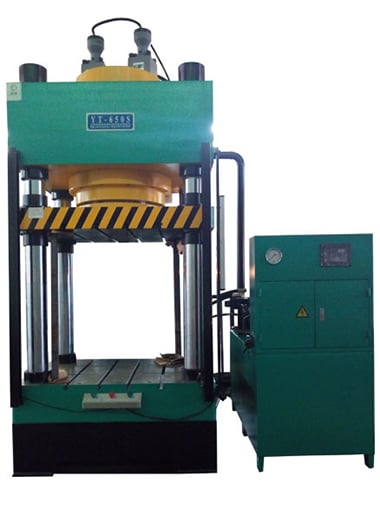
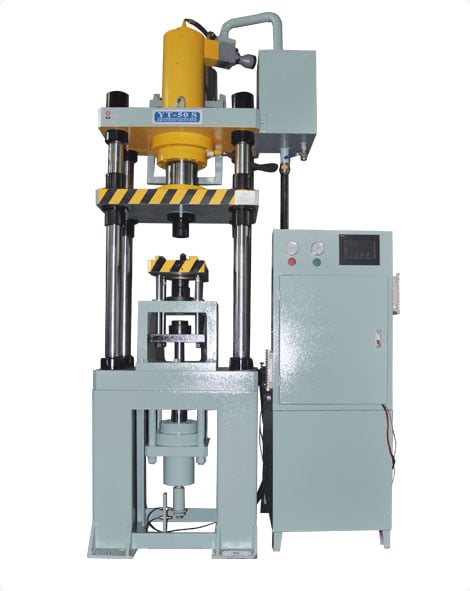
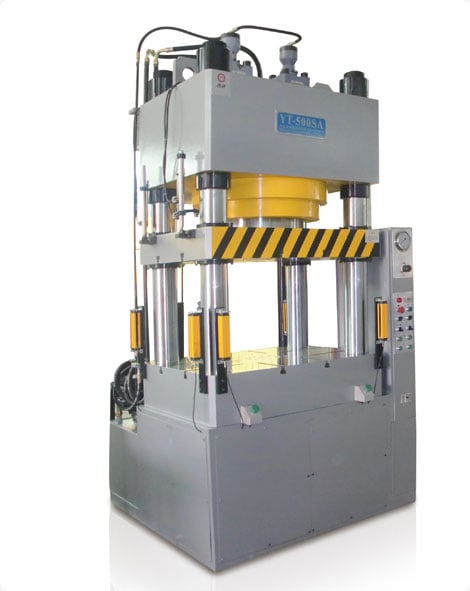
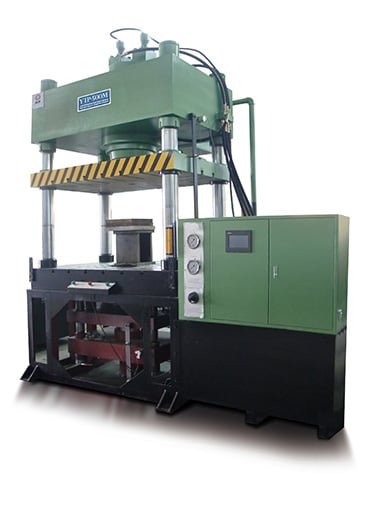
Hydraulic presses use fluid pressure to compress, assemble, punch, draw, trim, stretch and stamp materials for various applications. Relying on Pascal's principle that pressure in closed systems remains constant, hydraulic presses provide continuous pressing force which make them ideal for producing parts with strong design specifications that require multiple force application points.
When selecting a hydraulic press for use in your application, one of the first things to consider is its tonnage requirements. This depends on both size and complexity of workpieces - typically larger pieces require higher tonnage presses while smaller items may need lower-tonnage presses.
Environment should also be taken into consideration when choosing hydraulic cylinder suppliers, with temperature extremes, dusty environments, chemical washdowns, and chemical washes all having an effect on their performance. Therefore it's essential that you select a supplier with experience in hydraulics applications relevant to your industry's applications.
Cylinders are metal pipes fitted with ports for the entry and output of hydraulic fluid, featuring either single-acting or double-acting designs. Single-acting designs utilize an internal spring to extend or retract the rod, whereas double-acting designs use power from an hydraulic pump to push against their rod - with force required dependent upon bore size, rod diameter and the number of cylinders involved in a system.
Hydraulic pump
Hydraulic presses are indispensable tools in many manufacturing and production processes, used for compressing, assembling, drawing, punching, stretching and stamping different materials for various industries. Hydraulic presses work by using fluid pressure produced by pumps and motors to push a cylinder at an adjustable force; typically oil is chosen due to its excellent pressure resistance that enables rapid pumping without leakage or damage of the hydraulic system.
Hydraulic presses feature cylinders connected by hoses and valves to their respective pumps, controlled by a control panel which monitors and adjusts force applied to them through hoses and valves, temperature, pressure, as well as being programmed to stop when certain levels have been achieved. Each control can also be customized specifically to each application need for maximum convenience.
To build a hydraulic press, you will require several supplies:
Hydraulic reservoir
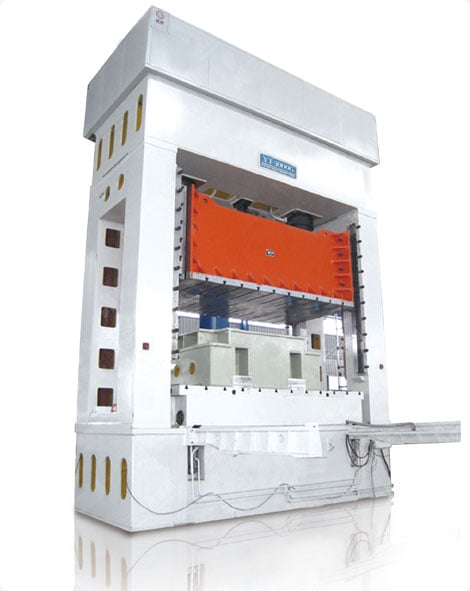
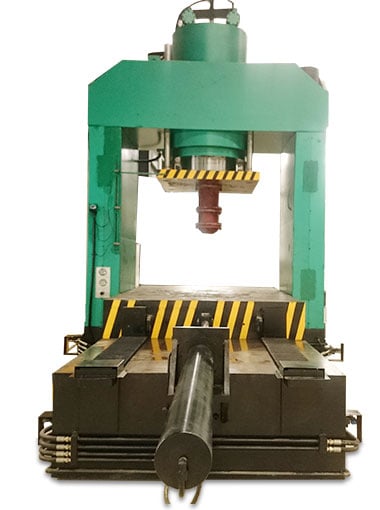
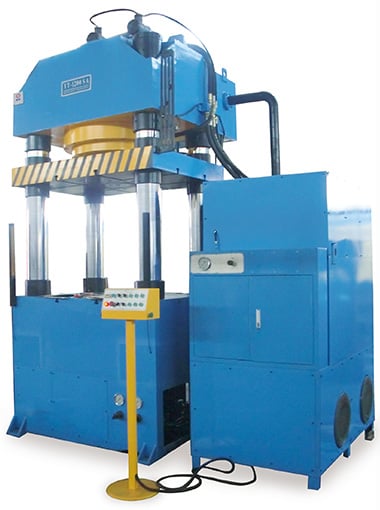
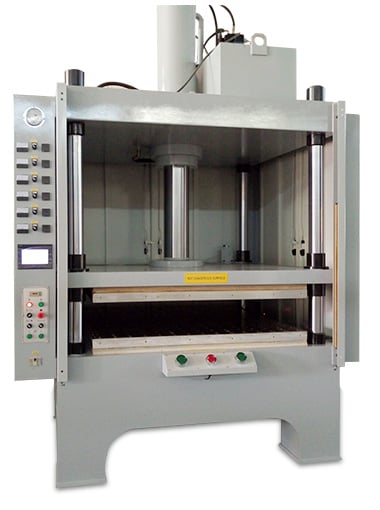
Hydraulic presses are tools used to crush and compact materials, from small manual hydraulic presses to larger motor-driven hydraulic presses. Hydraulic presses have many uses in manufacturing and production processes, including molding plastics and composites as well as crushing waste material for recycling purposes, producing machine parts and other products, or making scrap baling presses which compress metal objects such as cars, equipment, and machines into one compact mass.
The hydraulic reservoir is an essential element of any press, as it holds the hydraulic fluid that powers and cools its hydraulic pump. Reservoirs may be made of aluminum, steel or polyethylene; for optimal heat dissipation it should ideally be two to three times larger than pump output per minute.
When selecting a hydraulic reservoir, look for one with an air-to-liquid separator installed to help separate air from hydraulic fluid and increase cooling capacity. Furthermore, threaded openings for connecting fittings and components is crucial in order to connect hoses or other system components quickly with ease and reduce contamination by keeping air from reentering your system; also this will let excess air escape so as to safeguard its integrity and keep your hydraulic system operating at peak performance.
Hydraulic hoses
Hydraulic hoses transport high-pressure hydraulic fluid between pumps and actuators, withstanding various temperatures and chemicals environments to make them suitable for heavy machinery applications. To ensure their quality, first check its technical specifications; next select an appropriate crimper die set which fits your size and type of hose - either having a spiral design for suction applications, or braided design for high pressure ones; finally verify its technical specifications against these needs before purchasing one for yourself.
A hose should be long enough to reach the machine part being used with it and should feature an appropriate bending radius to avoid damage. A too short hose could force fluid at higher velocities through, increasing heat and friction levels and possibly leading to turbulence within its path - ultimately disrupting fluid flow and creating heat or friction build-up that leads to heat accumulation, friction build-up or turbulence that disrupts fluid movement.
Hydraulic presses can be found across various industries to crush objects into new shapes or make molds for plastics and composites. Some of their most frequent applications include automotive, construction and manufacturing industries as well as compressing soil or rock.
Hydraulic valves
Hydraulic presses are powerful machines that utilize hydraulic fluid to generate and transfer force, with numerous uses including metal forming, wood processing and plastics/composites fabrication. One key advantage is being able to produce complex parts at high speeds using this type of press.
Hydraulic presses can be tailored to meet any production process, from mass to precision part production with just the push of a button. Their flexibility enables manufacturers to optimize workflow and minimize waste, making hydraulic presses an invaluable resource for manufacturing companies of any kind. They've become increasingly popular as versatile production tools over mechanical ones due to their versatility and high output potential - something traditional mechanical presses cannot match.
To build a hydraulic press, you will require a platen, hydraulic ram and pipe pieces. A welded press frame would be ideal but this isn't essential - standard five-ton bottle jacks (used to change tires on cars) may work just as well! Be sure to wear both blast shields and safety glasses when operating your hydraulic press!
Find hydraulic valves online that meet your specific requirements. Your selection will depend on your application as well as temperature, flow rate and corrosion properties of fluid being used.
Hydraulic power pack
Hydraulic power packs are machines that utilize the pressurized flow of hydraulic fluid to generate power, providing a powerful solution for various industries including metalworking, plastics and composites, manufacturing, construction and automotive. They're an invaluable asset that can generate tons of force when used effectively - ideal for metalworking, plastics and composites processing, manufacturing construction or automotive use.
Before using a hydraulic power pack, it's crucial to understand its operation. The process entails using a pump and cylinder powered by hydraulic oil that is pumped to a reservoir via valves; fins attached to the walls of this reservoir help break up bubbles to ensure fluid circulating smoothly.
At the core of any successful hydraulic power pack purchase lies its application in its environment. Knowing its intended use will allow for easier decisions about size and type of hydraulic oil needed, along with selecting appropriate filters and strainers to protect from contaminants that might enter.
Hydraulic presses can be an essential tool in many projects, but their improper use can be dangerous. Without proper instructions and knowledge on how to operate one safely, objects may be crushed or destroyed with force from this tool. DIY hydraulic presses are easy and affordable ways of getting this done; simply build one from strong frames equipped with hydraulic rams for pressing one die against another die.
Link to this article: https://www.ihydraulicpress.com/nsn/3750.html
Hot Articles
-
How to Make an Electric Hydraulic Press
Hydraulic presses can be used for an array of tasks, from pressing metallic objects into sheets of metal to thinning glass and creating powders. T……
-
How to Make a Hydraulic Press at Home
Hydraulic presses are invaluable tools in any garage, used to crush items such as soup cans and metal tools while compressing organic waste into b……
-
How to Make Rosin With a Hydraulic Press
Crafting your own DIY rosin press is an economical and effective way to explore solventless extraction. No need for welding skills or expert hammer ……
-
How Much Force Does a Hydraulic Press Exert?
Hydraulic presses are powerful machines used to shape and deform materials, with their ability to exert enormous force making them an indispensable ……
-
Calculating How Much Force in Hydraulic Press
Hydraulic presses are powerful machines used across industries for everything from creating metal car parts to crushing waste and trash, creating ……
-
How to Make a Knife Using a Hydraulic Press
The internet offers many things ranging from staying connected with long-lost friends to watching an incredible hydraulic press crush wrenches und……
-
How Much Does a Hydraulic Press Cost?
Hydraulic presses are powerful machines that can help businesses increase productivity and efficiency. It works by using hydraulic pressure to shape……
-
How to Make Electric Hydraulic Press
Hydraulic presses are effective and versatile metal forming machines, capable of applying force and pressure to even the hardest materials without……
Latest News
-
Can You Make Manual Press Into Hydraulic Press?
Manual workshop presses are essential tools in many work plants, being utilized for various applications including sample preparation for XRF anal……
-
How to Make Your Own Hydraulic Juice Press
Cold press juicers have quickly become popular with health-minded individuals due to their ability to extract more nutrients from foods eaten, but……
-
How to Make a Pizza Hydraulic Press
Trying to expedite pizza preparation? A dough press may help. This tool uses hot pizza dough as it presses it through various shapes and thicknesses……
-
How Much Force Does a Hydraulic Press Exert?
Hydraulic presses utilize fluid pressure to generate massive amounts of force, making them perfect for industrial use. Their force output depends on……
-
How Much Force Can a Hydraulic Press Generate?
Few manufacturing technologies can rival the powerful capabilities of a hydraulic press. No metal can resist being crushed under its immense force……
-
Hydraulic Press YouTube Channel
The Hydraulic Press Channel features videos of items being crushed using hydraulic presses. Founded and run by Lauri Vuohensilta of a family-owned……
-
How to Make a Hydraulic Bearing Press
A hydraulic press can be an invaluable asset to any garage or workshop, offering multiple capabilities such as clinching, molding, deep drawing, p……
-
How to Make a 150 Ton Hydraulic Press
Hydraulic presses are machines that use pressure to force pistons into cylinders, often found in manufacturing, automotive repair or general shop ……