










Hot Articles
-
Hydraulic Press Channel – What Broke The Hydraulic Press?
Lauri Vuohensilta and Anni run a family machining business, so their hydraulic press sees regular use. As evidenced in videos showing them crushin……
-
Who Created the First Hydraulic Press?
Hydraulic presses are machines that use fluid pressure to multiply force. Joseph Bramah of England invented and patented the first hydraulic press……
-
Disadvantages of a Hydraulic Press
Hydraulic presses are powerful machines that can be employed for a variety of tasks. However, these tools also have their drawbacks. When purchasing……
-
The Hydraulic Press
A hydraulic press is a machine that utilizes the pressure generated in a fluid to compress, laminate or cut metals. This principle relies on Pascal&……
-
Where to Buy Small Hydraulic Press Machine
Home and auto shops alike use hydraulic presses for straightening and bending metal, replacing bearings, stamping parts, creasing them as needed a……
-
What is a Hydraulic Press Brake?
Hydraulic press brakes are essential tools in sheet metal fabrication industries. Not only is it secure and user-friendly, but its convenience also ……
-
How much does a hydraulic press cost?
How much does a hydraulic press cost? To know how much does a hydraulic press cost, first we need to know what is a hydraulic press .Hydraulic press……
-
What is the Biggest Hydraulic Press in the World?
Hydraulic presses are machine tools that use static pressure to process materials such as metal, wood, plastic and powdered products. They’r……
What Do I Need to Build a Hydraulic Press?
time:2023-06-02 views:(点击 1,191 次)
A hydraulic press is an invaluable machine that utilizes liquid to generate pressure, making it suitable for many tasks such as forming, stamping, clinching, bending, flanging, moulding, deep drawing and powder metallurgy.
With the appropriate supplies, it is possible to easily build a simple hydraulic press at home. It consists of a welded frame fitted with a hydraulic jack.
Frame
A hydraulic press frame is an integral component of its machine and serves to support and steady it while assuring operator safety during use. A proper frame should be made of welded metal parts that comply with CE safety specifications, fitted with light sensors at its front and rear to prevent accidents, equipped with blast shields for additional security and equipped with an emergency stop switch for added peace of mind.
There are various kinds of hydraulic presses, each designed for specific uses. Which press you choose depends on your sector and desired amount of pressure application; for instance, some require long-term application, like when compoting materials; others are designed to apply rapid compressive force like for manufacturing medicinal tablets.
Hydraulic presses consist of three primary components: a frame, cylinders and plunger. Cylinders convert hydraulic oil to mechanical energy which drives the ram to process material while applying pressure to workpieces; their plunger then applies this pressure accurately and precisely controls how much pressure is being applied. Together these parts create high levels of force with precise control of its level of application.
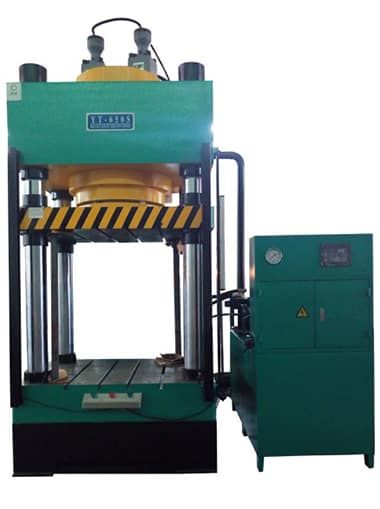
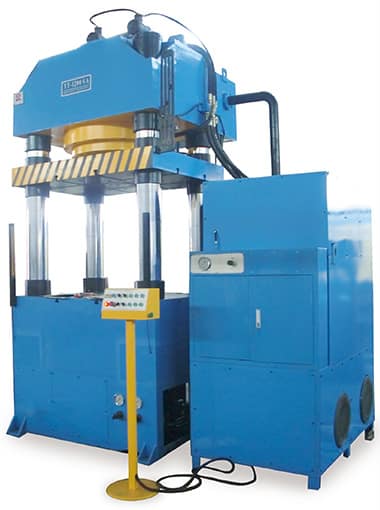
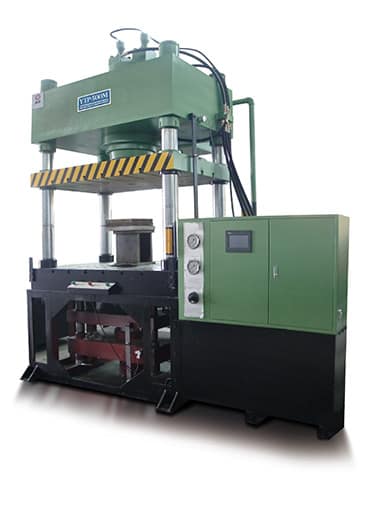
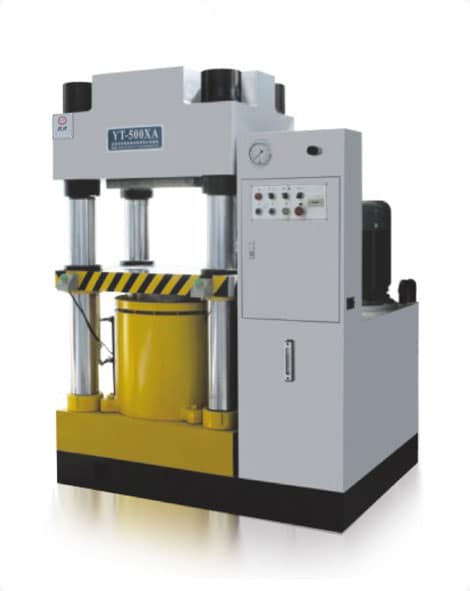
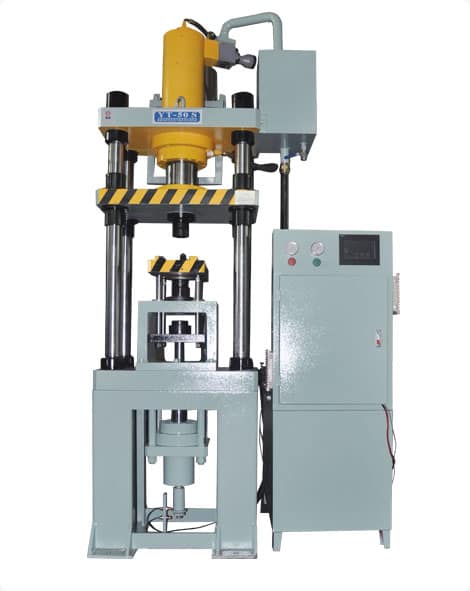
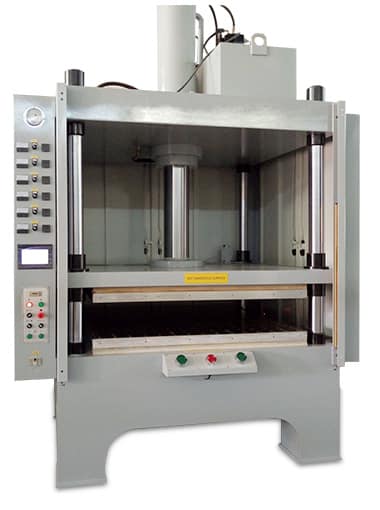
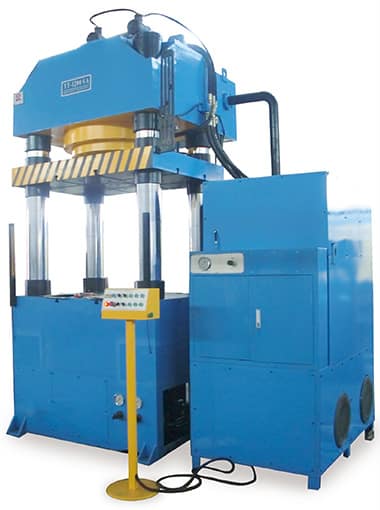
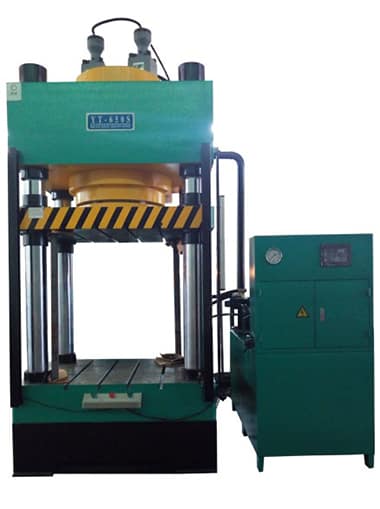
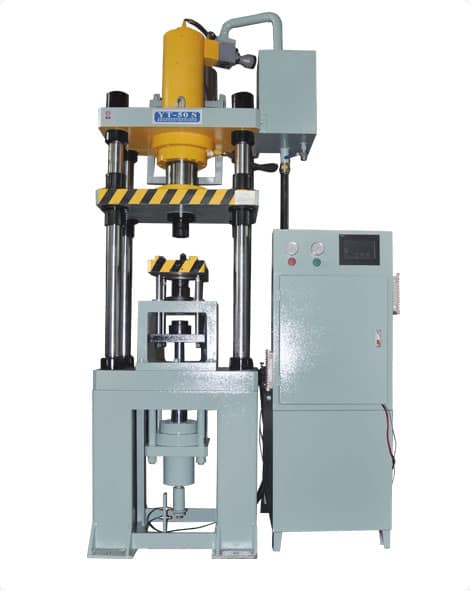
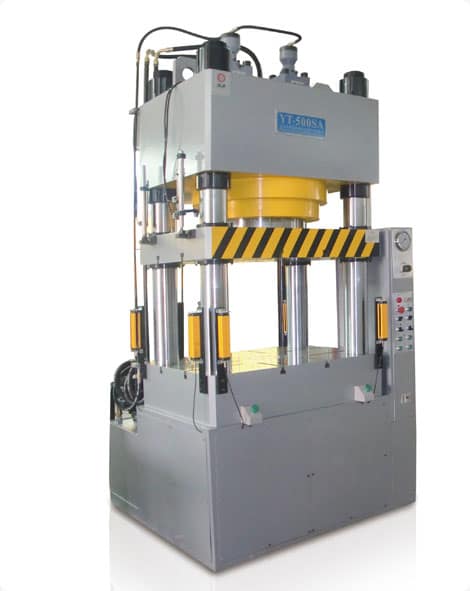
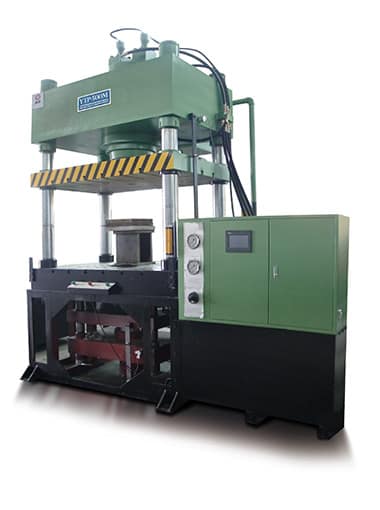
One of the most sought-after hydraulic presses is a four-column model. These presses offer unparalleled flexibility and versatility when used for metal fabrication tasks, allowing access from all four sides of die area for automation and quick die changes. Furthermore, their lower profile requires less floor space.
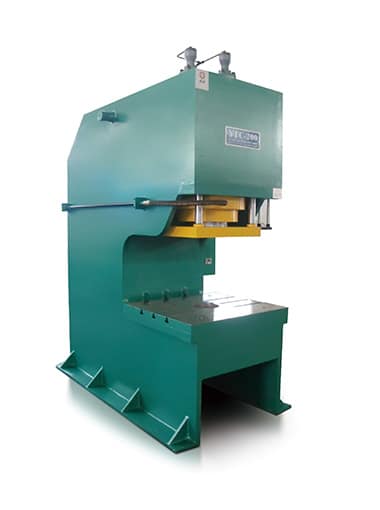
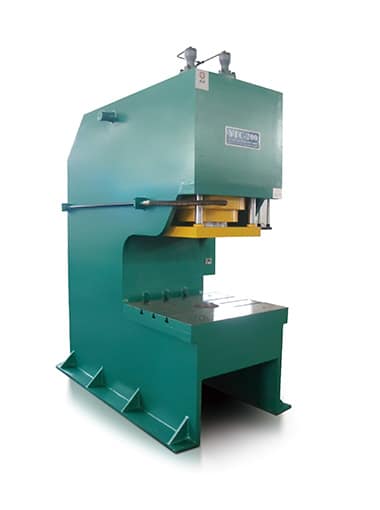
C-Frame Hydraulic Presses are another popular option, taking up less floor space than other metalworking machinery and providing exceptional utility with minimal stroke deflection. They make perfect additions for smaller workshops that need to press precise metal components.
Bench-frame hydraulic presses are portable versions of H-frame presses designed to be used on workbenches or tabletops, making them a good option for low-volume applications that use manual hand pumps. Plus, their ease of maneuverability means they're ideal in locations with limited space.
Hydraulic jack
Hydraulic presses are versatile machines that use hydraulic fluid to exert pressure, making it the perfect tool for forming metal, stamping sheet metal and extruding plastic pipe extrusion as well as bending large diameter tubing or making molds and dies. Plus, hydraulic presses offer greater control over their ram movement allowing users to customize its force, direction, speed and duration - not to mention using different fluids for different jobs in order to prevent damage or wear prematurely.
A hydraulic jack is an essential element of a hydraulic press, giving the machine its strength and allowing you to lift large loads. It consists of a pump chamber with two cylinders - one larger than the other - connected by valves which when opened release oil into one of these cylinders which, when combined with hydraulic fluid from your handle pumping action, lift the piston arm. However, be mindful that this process takes time; so take your time when using your jack.
There are various kinds of hydraulic jacks on the market today, and choosing the appropriate one for your needs is of utmost importance. A sturdy material such as metal will allow your jack to handle heavy loads safely while lasting years longer than its competitors. Before beginning any work on it, ensure it's on level ground; also prepare jack stands to safely support the weight once lifted off it.
Hydraulic jacks operate under Pascal's Law, which states that force is directly proportional to its area coverage. When someone operates the lever to push down on the plunger piston, pressure from both cylinders transfers evenly. Since larger cylinders cover greater surface areas and can distribute a greater force distribution more quickly thereby raising loads higher than expected.
Hydraulic jacks are essential tools in the automotive industry, providing a means for raising vehicles or objects high enough for repairs or changes to be completed. Although this type of jack is compact and easy to store, remember not to place too much weight on its base when using one!
Hydraulic pump
Hydraulic pumps are machines that generate high-pressure liquid power to be used in many different industries, including manufacturing, welding, construction and metalworking. Hydraulic presses offer many advantages over hydraulic pumps for metal sheet forming and shaping processes due to their ability to generate precise forces without damaging materials - this makes them popular options when creating precise force quickly or reducing noise levels.
Hydraulic presses operate based on Pascal's Law, which states that pressure equals force divided by area. A hydraulic system consists of two pistons which can be forced upward by an operator in order to exert equal forces in all directions, transmitted via fluid (typically oil).
There is an array of hydraulic pumps on the market. Their sizes, speeds, capacities and portability all vary significantly, making them easier for use in the field. When selecting your hydraulic pump it is important to consider its intended use as well as your required tonnage capacity.
At the core of selecting a hydraulic pump is its maximum operating pressure. A good pump should withstand whatever pressure is necessary for your project while meeting industry standards - and provide superior performance with minimal maintenance requirements.
To assemble a hydraulic press, you will require three components: a hydraulic pump, base, and platen. The base should consist of four pieces of threaded stock assembled using bolts; then you can place your platesn on top by threading two washers and nuts through each threaded stock piece or using clamps to secure them to your platen.
Hydraulic presses use high-pressure hydraulic systems to generate force needed to crush or mold materials, making this technology ideal for large jobs where crushing or molding require significant force. Furthermore, hydraulic presses feature full tonnage throughout their stroke allowing you to customize and make adjustments as you go along.
Pneumatics
A hydraulic press is a large machine that employs enormous forces to crush metals and other materials, such as wood. Additionally, it can bend, punch, and shear metal pieces. However, due to the danger associated with using one, proper safety equipment and operating procedures must be followed when operating one safely and following hearing protection guidelines when using one. In addition, due to high voltage electricity used during operation it's vital that an experienced electrician install it for optimal use.
Hydraulic presses require immense amounts of power, making them both expensive to operate and difficult to maintain. Furthermore, these machines may be overkill for specific projects requiring them and may be hard to keep running smoothly. Still, hydraulic presses have their uses; for molding, clinching and forming. Large industrial production can benefit greatly from using hydraulic presses; this type of press increases efficiency which ultimately saves money in the long run.
Pneumatics is an energy source similar to hydraulics, using pressurized air instead of liquid as its medium. Pneumatics is found in numerous machinery and tools - including automobiles - including mechanic's power tools that remove tire lug nuts with pneumatic technology; pneumatics is also utilized by jackhammers and many other power tools.
Pneumatic systems differ from hydraulics by using one central source of compressed air for operation and storage. Pneumatics do not require as much maintenance than their hydraulic counterparts and therefore tend to be cheaper to operate and use. They collect air under pressure in tanks before sending it through various pipes and valves before eventually being turned into mechanical energy by pistons or vane. Pneumatics systems are usually less costly to run and use compared with hydraulic ones.
Hydraulic presses can be an excellent solution for many metal-forming jobs, yet their use can be hazardous. Hydraulic presses create high levels of pressure that may prove too loud in a workshop setting and generate excessive heat production that could threaten employees' health. Luckily, safer alternatives exist such as mechanical or electric presses that offer similar functionality without risk to employees' wellbeing.
Link to this article: https://www.ihydraulicpress.com/yn/3371.html
Hot Articles
-
What is a Hydraulic Forging Press?
Hydraulic forging presses utilize liquid pressure to form and shape metal, and they can be employed for many tasks such as forging and cold working.……
-
Why Does Everyone Hate Hydraulic Press Videos?
After an iconic video featuring someone crushing items with a hydraulic press made headlines last year, The Hydraulic Press Channel has become a phe……
-
Where to Buy Hydraulic Press for Jewelry
Make beautifully formed rings and bracelets using a hydraulic press. Learn the fundamentals and techniques of operating a 20-ton press from Melissa ……
-
What is the Principle Demonstrated by a Hydraulic Press?
Hydraulic presses use Pascal’s principle to convert small amounts of power into massive force, multiplying pressure as force acts over more su……
-
What Is a Hydraulic Press Used For in the Rubber Industry?
Hydraulic presses use fluid pressure to push a cylinder at an adjustable force. They can compress, assemble, draw, punch, trim, stretch, stamp and f……
-
Why Doesn’t a Hydraulic Press Defy First Law of Thermodynamics?
Hydraulic presses are powerful machines that use hydraulic fluid to convert mechanical force. They feature an open frame structure with power syst……
-
What Hydraulic Oil For Truss Press?
An individual worker lays each member of a truss on beds of presses arranged in the desired pattern, using companion plates 20 to operate both press……
-
Heated Plates for Hydraulic Presses
Heated plates are a standard component for hydraulic presses. They help keep your materials at the optimal temperature, making them more resistant t……
Latest News
-
Hydraulic Press Machines – The Hydraulic Press Channel
Lauri and Anni Vuohensilta have spent the past five years crushing stuff with a 150-ton hydraulic press at their family’s machining business, ……
-
What is the Difference Between a Hydraulic Press and a Pneumatic Press?
Hydraulic and pneumatic presses are widely used throughout the industrial world for a variety of purposes. They’re commonly found in repair, a……
-
Advantages of a Hydraulic Press
Hydraulic presses are machines that use liquid pressure to shape or compress materials. They have many uses, from shaping panels to assembling car p……
-
Where to Buy Hydraulic Press for Jewelry
Make beautifully formed rings and bracelets using a hydraulic press. Learn the fundamentals and techniques of operating a 20-ton press from Melissa ……
-
What is the Principle Demonstrated by a Hydraulic Press?
Hydraulic presses are common tools in auto shops to raise vehicles. Their operation follows Pascal’s Law, which states that applied force in……
-
A Guide to Hydraulic Presses
Hydraulic presses use fluid pressure to push a cylinder at a set force in order to compress, assemble, draw, trim, punch, stretch and stamp materi……
-
Hydraulic Press Channel – Why Are There So Many Hydraulic Press Videos on YouTube?
Hydraulic Press Channel, run by Finnish workshop owner Lauri Vuohensilta and Anni, has garnered millions of views with videos showing items being cr……
-
What Is a Hydraulic Press Used For in the Rubber Industry?
Hydraulic presses use fluid pressure to push a cylinder at an adjustable force. They can compress, assemble, draw, punch, trim, stretch, stamp and f……